 Português
 English
 日本語
 Deutsch
 한국어
 العربية
 Русский
 Türkçe
 Français

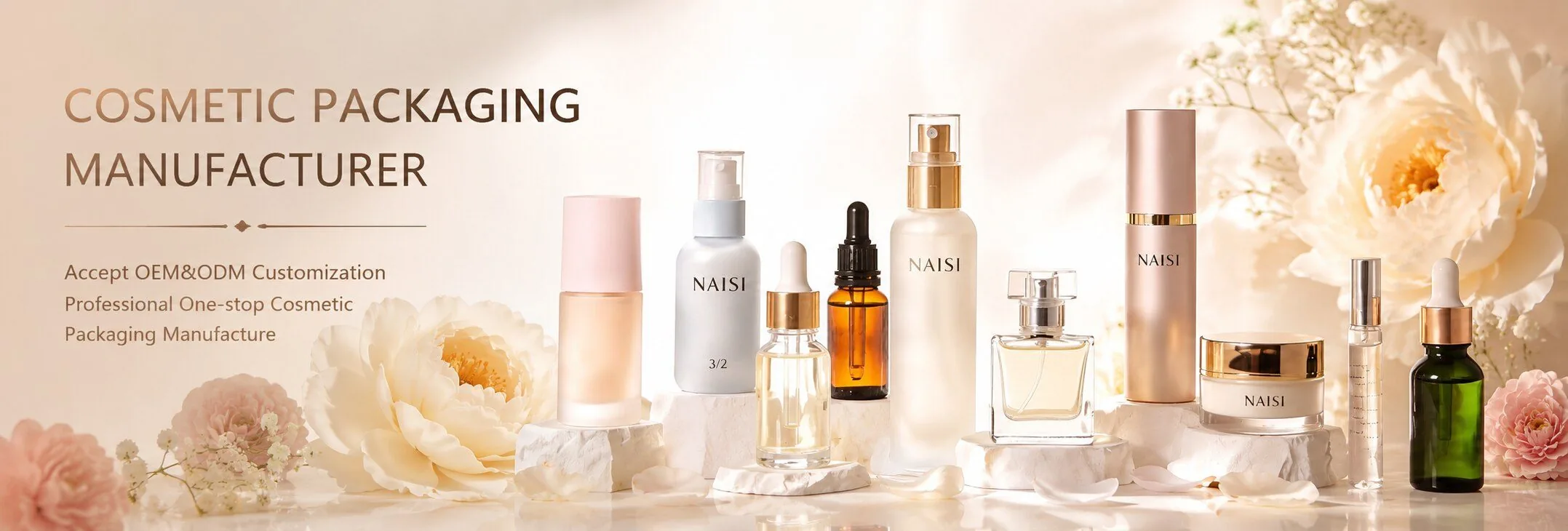
Especificações de design de embalagens de cuidados da pele: como criar um sistema de design coerente para vários SKU
A serum bottle and a cream jar may look perfectly matched in a rendering. Then the samples arrive: the jar looks warmer, the serum logo sits too high, and the gold pump has a different sheen from the cream cap. Each supplier followed the reference images, yet the finished collection looks inconsistent.
The missing piece is often a shared set of instructions. Skincare packaging design specifications tell manufacturers what appearance the brand wants, how that appearance changes from one container to another, and what must be checked before production. This guide focuses on the information a skincare brand should prepare and how to present it clearly to a packaging supplier.
What Is a Skincare Packaging Design Spec Sheet?
A packaging design spec sheet translates visual ideas into documented requirements. It is not a mood board or a substitute for technical drawings. It connects artwork, material and finish references, component choices, and sample approvals in one usable package.
Organize it at two levels:
Collection-wide rules: The shared color palette, logo hierarchy, typography, surface-finish direction, and appearance references.
SKU-specific records: The bottle or jar drawing, actual artwork dimensions, printable zones, closures, and approval status for each product.
The brand and designer provide the intended design. The manufacturer confirms what can be achieved with the selected container, decoration process, and components. Keep proposed values separate from supplier-confirmed values; neither should be treated as an approved production standard until sampling is completed.
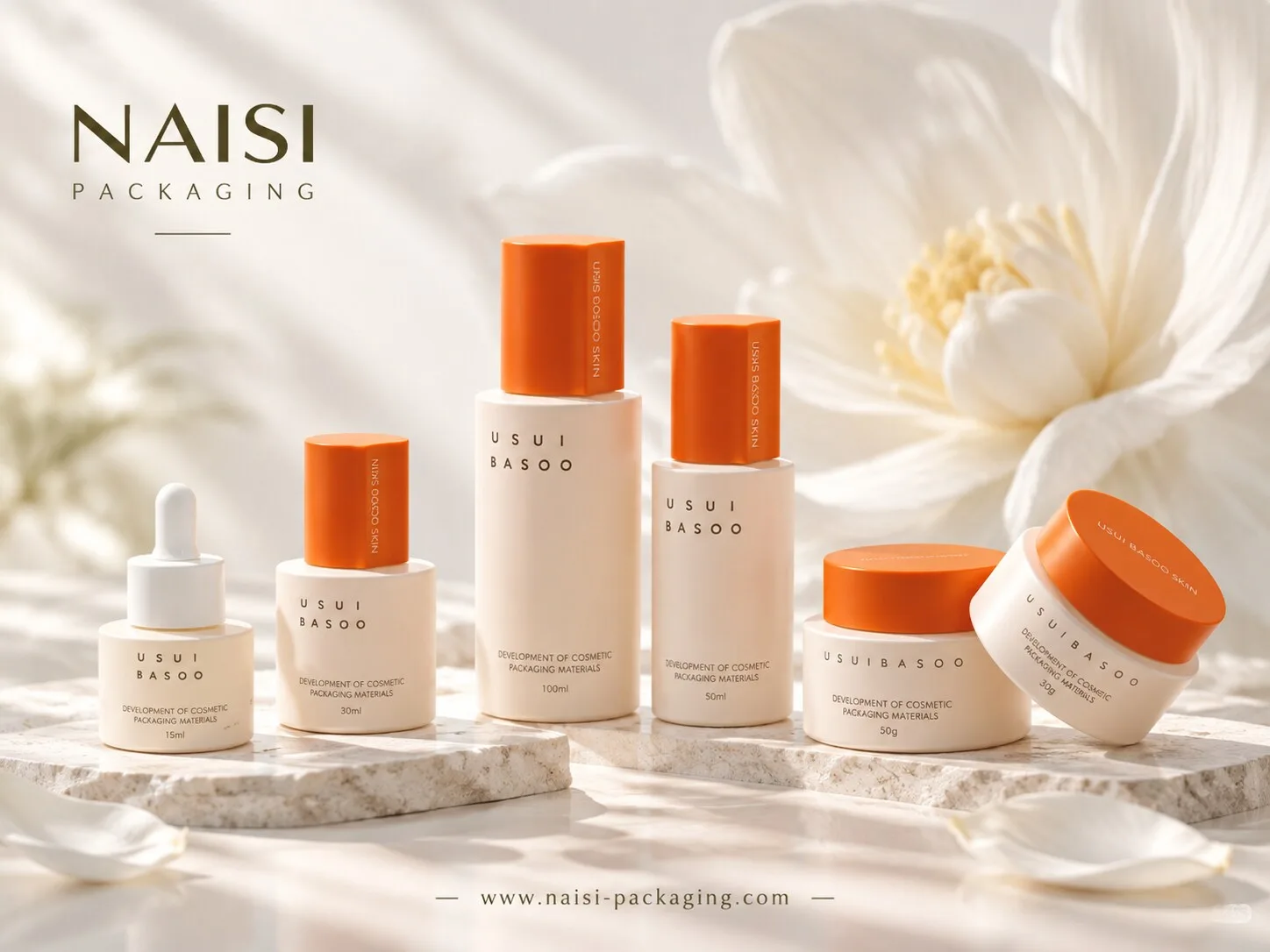
Six Core Modules of Skincare Packaging Design Specifications
1. Color Standards Across All Containers
Start by specifying how the color is created. Amber glass, clear glass with an ivory spray coating, and a white plastic cap may be described using similar color names, but they require different instructions.
For each visible surface, record the substrate, requested color reference, production finish, transparency or opacity, and the physical sample used for comparison. Keep the colors of screen-printing inks, hot-stamping foils, and other decorations separate from the bottle body color.
Pantone references are useful for communicating intent, but a number alone cannot guarantee identical results across glass, plastic, and metallic finishes. CMYK values belong primarily to relevant printing workflows; they are not a universal recipe for glass coating.
If the project calls for measured color control, agree with the supplier on a reference sample, measurement method, viewing conditions, and acceptance criteria. D65 may be appropriate for some evaluations. Avoid assigning an arbitrary, identical color-difference tolerance to every material.
Be specific about the meaning of frosted. Acid etching, sandblasting, and matte spray coating are different treatments. The specification should name the chosen process or mark it for supplier confirmation.
Give the supplier: A color-and-finish schedule identifying each surface, its reference, the proposed process, and whether the physical sample is pending or approved.
For further detail on physical color references, read Why Packaging Samples Can Look Different from Mass Production.
2. Logo Placement & Size Rules
A 30 mL serum bottle has a different display area from a 100 mL lotion bottle or a wide cream jar. Reusing the same logo width and vertical position can make one product look crowded and another look empty.
Set a common visual rule first. This might mean centering the logo on the main front panel and keeping similar visual proportions across the collection. Then convert that rule into measurements for each SKU.
Each artwork drawing should show:
Actual logo width and height in millimeters
Horizontal centerline and vertical reference point
Distance from the base, shoulder, or another clearly defined datum
Artwork orientation and approved vector-file revision
Minimum line width, letter size, and clearances confirmed by the decorator
A percentage is useful for the designer; a dimensioned position is what the printing team needs. Do not invent universal minimum logo dimensions. A small serif logo, for example, may print differently on a flat jar panel and a tightly curved bottle.
Mark seams, corners, and other areas that could affect placement. If one logo layout cannot work across every format, approve separate artwork versions that preserve the same visual hierarchy.
3. Printable Area & No-Print Zones
A bottle's visible sidewall is not automatically a printable surface. Tight shoulders, rounded corners, mold seams, and equipment contact points may limit a decoration process.
Ask for a dimensioned line drawing of each container. On it, distinguish the approved printable area, restricted areas requiring review, and no-print zones. State which process the drawing applies to: screen printing, hot stamping, a label, or another finish. Their usable areas may differ.
For round bottles, the printer should check how flat artwork sits on the curved surface, including registration and potential distortion. If several processes are used together, the supplier should confirm their sequence and compatibility. An overlap between printing and a metallic detail may be possible, but it cannot be assumed from a rendering.
Send artwork at the intended final size, not only as a product mock-up. Show dimensions, alignment references, and any surfaces that must remain undecorated for handling or assembly.
For a more detailed comparison of two common decoration approaches, see Screen Printing vs Labels on Cosmetic Glass Bottles.
4. Cap & Closure Surface Finish Specifications
Matching the words “champagne gold” across purchasing documents does not guarantee that a pump, collar, and jar cap will look alike. Their materials and finishing methods may be different.
For every visible closure, list the base material, color or finish reference, gloss or texture direction, decoration method, and approved sample ID. Depending on the part, relevant treatments may include spray coating, electroplating, brushing, laser marking, or anodizing on suitable metal substrates. Identify an actual UV coating or UV-cured decoration process instead of writing only “UV finish.”
Also show which surfaces are decorative and which are functional. Threads, sealing faces, snap-fit features, and pump-contact areas may require protection from coatings. The assembly must still fit and operate as intended.
Where durability matters, define the exposure being evaluated—such as handling abrasion or contact with an actual formula—and agree on the test conditions and acceptance criteria. Do not insert generic resistance claims or unverified test thresholds.
Finally, review closures on fully assembled packs, side by side. A gold cap that looks acceptable on its own may appear noticeably different when placed next to the pump used elsewhere in the collection.
5. SKU-Specific Specification Matrix: Put the Collection on One Page
Once the shared rules are defined, place the key requirements for every product in a single comparison matrix. This is the document that lets a brand manager, designer, and supplier see differences without opening three separate presentations.
Below is a fictional working example for a serum, lotion, and cream. The measurements are proposed artwork values only—not NAISI product specifications, approved tooling dimensions, or verified printing limits.
Specification | Serum: S01 | Lotion: L01 | Cream: C01 |
Product fill | 30 mL | 100 mL | 50 g net content |
Container | Glass pump bottle; drawing pending | Glass lotion bottle; drawing pending | Wide-mouth glass jar; drawing pending |
Body finish | Matte ivory; reference IV-01 pending | Match IV-01; pending | Match IV-01; pending |
Logo artwork | S01-A, proposed 14 × 5 mm | L01-A, proposed 20 × 7 mm | C01-A, proposed 22 × 8 mm |
Position | Front center; proposed 42 mm above base | Front center; proposed 60 mm above base | Front center; proposed 22 mm above base |
Print area | Supplier drawing required | Supplier drawing required | Supplier drawing required |
Closure appearance | Gold pump; reference GD-01 pending | Gold pump; reference GD-01 pending | Gold jar cap; reference GD-01 pending |
Sample status | Not yet approved | Not yet approved | Not yet approved |
The matrix makes gaps immediately visible. None of the printing areas has been confirmed, so the proposed logo sizes and positions cannot be released for production. The shared ivory and gold references are also targets until real parts have been compared.
Note that 50 g is the cream's intended net content, not a confirmed jar capacity. The selected jar still needs its own dimensional and filling suitability checks.
For a real project, add the supplier's model or drawing reference, the current artwork revision, and the latest sample reference. Those simple identifiers are enough to prevent confusion; the brand does not need to invent a complex component-code system to communicate its design.
6. Cross-SKU Sampling Checklist and Approval
Individual sample approval is necessary, but it is not the final check. Place the serum, lotion, and cream together under the agreed viewing conditions before approving the collection.
Compare the actual body colors, logo size and position, print clarity, surface texture, closure sheen, and visible assembly fit. Record each SKU's result rather than writing one broad “collection approved” note.
A straightforward approval process has three stages:
First samples: Check each item against its latest drawing, artwork, and proposed finish references.
Collection comparison: Examine the assembled products together and record any mismatches that become visible only side by side.
Final approval: Identify the accepted samples, document decisions, and retain agreed physical references for production comparison.
The approval form should contain the SKU, sample ID, document revision, finding, action needed, reviewer, and approval date. Use clear statuses such as Pending, Revise, and Approved.
If a logo changes or a cap finish is adjusted, specify which SKUs are affected. An administrative correction may need only a revision note; a change in appearance or function may require fresh samples and renewed approval.
How to Deliver the Specifications to Your Manufacturer
Keep the handover simple. Send four clearly named items: a master design-rules document, dimensioned drawings and artwork for each SKU, the SKU comparison matrix, and a sampling/approval record.
Before sending, check five points: Are the latest artwork files attached? Does every SKU have a recognizable container reference? Are the printable areas shown or marked as pending? Are color and closure references clear? Can the supplier tell which requirements still need confirmation?
Use revision numbers and dates, and identify the SKUs affected by any subsequent change. The supplier should know which version applies to the next sample or order. A well-organized design package is ready for technical discussion; it is not automatically an approved mass-production specification.
Frequently Asked Questions
Will the same Pantone color look identical on glass and PET?
Not necessarily. Different substrates, coatings, gloss levels, and transparency can change the appearance. Use physical samples and agreed viewing conditions to assess whether the finished parts look sufficiently consistent for the collection.
Do I need a separate logo rule for every SKU?
Keep one shared visual rule, then provide a dimensioned artwork layout for each bottle or jar. The decorator must confirm the achievable print size and position on the selected container.
Must samples be approved again after every document revision?
Not automatically. Review what changed and which SKUs are affected. Changes to color, decoration, dimensions, or fit may need new samples; minor administrative corrections may only require document control. Record the decision.
From Design Specifications to a Coordinated Skincare Collection
A useful specification sheet does not make every package identical. It explains which features should look related and gives the manufacturer enough information to develop each container appropriately.
NAISI Packaging supplies cosmetic glass bottle sets, serum bottles, cream jars, and matching accessories, with options for color coating, printing, and other packaging decoration.
If you are developing a skincare line, share your product list, target capacities, reference images, preferred finishes, and estimated quantities. Our team can discuss suitable glass packaging options and customization possibilities for your collection.
WhatsApp: +86 189 2275 3052
Email: naisipackaging@gmail.com
Website: www.naisi-packaging.com
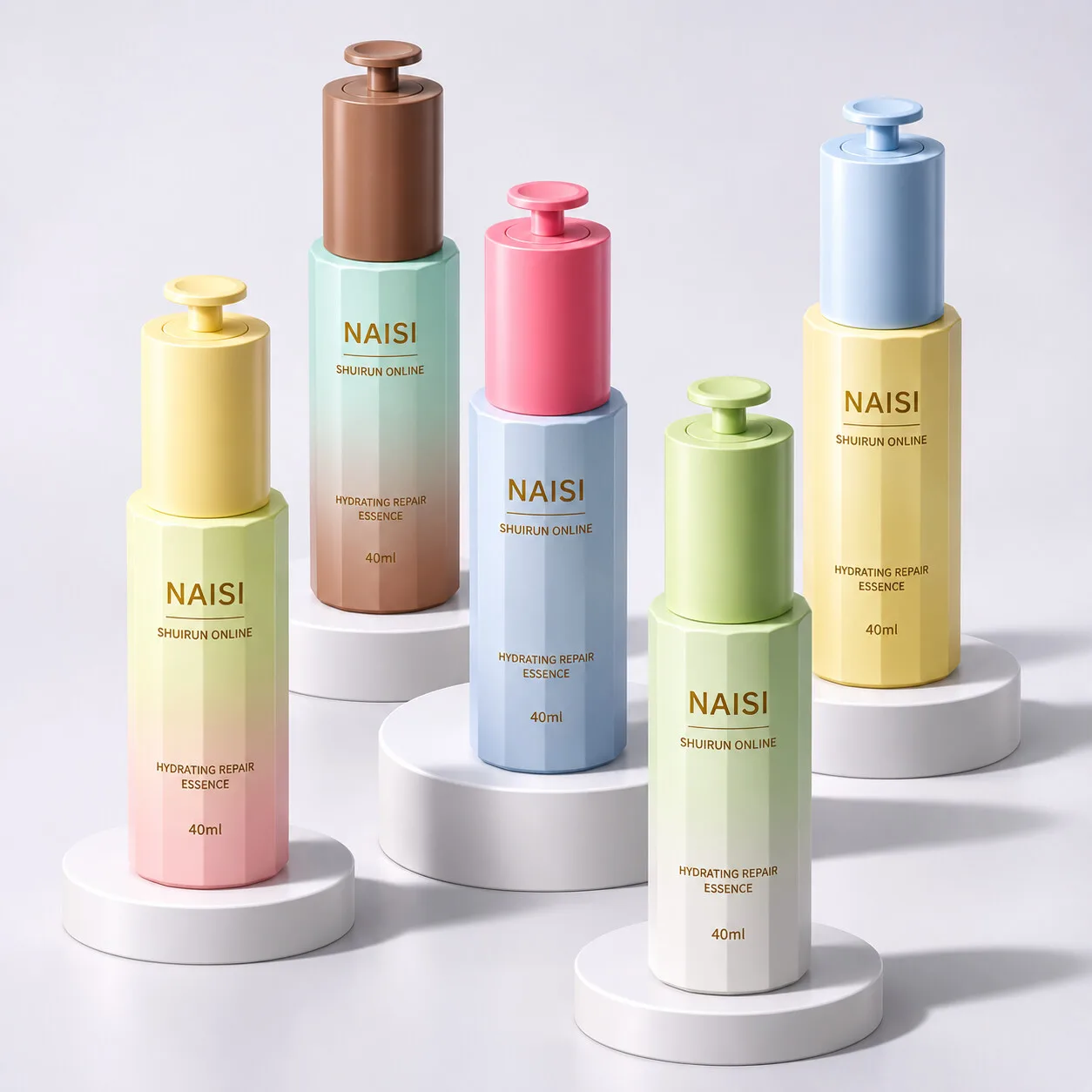
Frascos de essência facetados com bomba em vidro de 40 ml em cores pastel com degradê
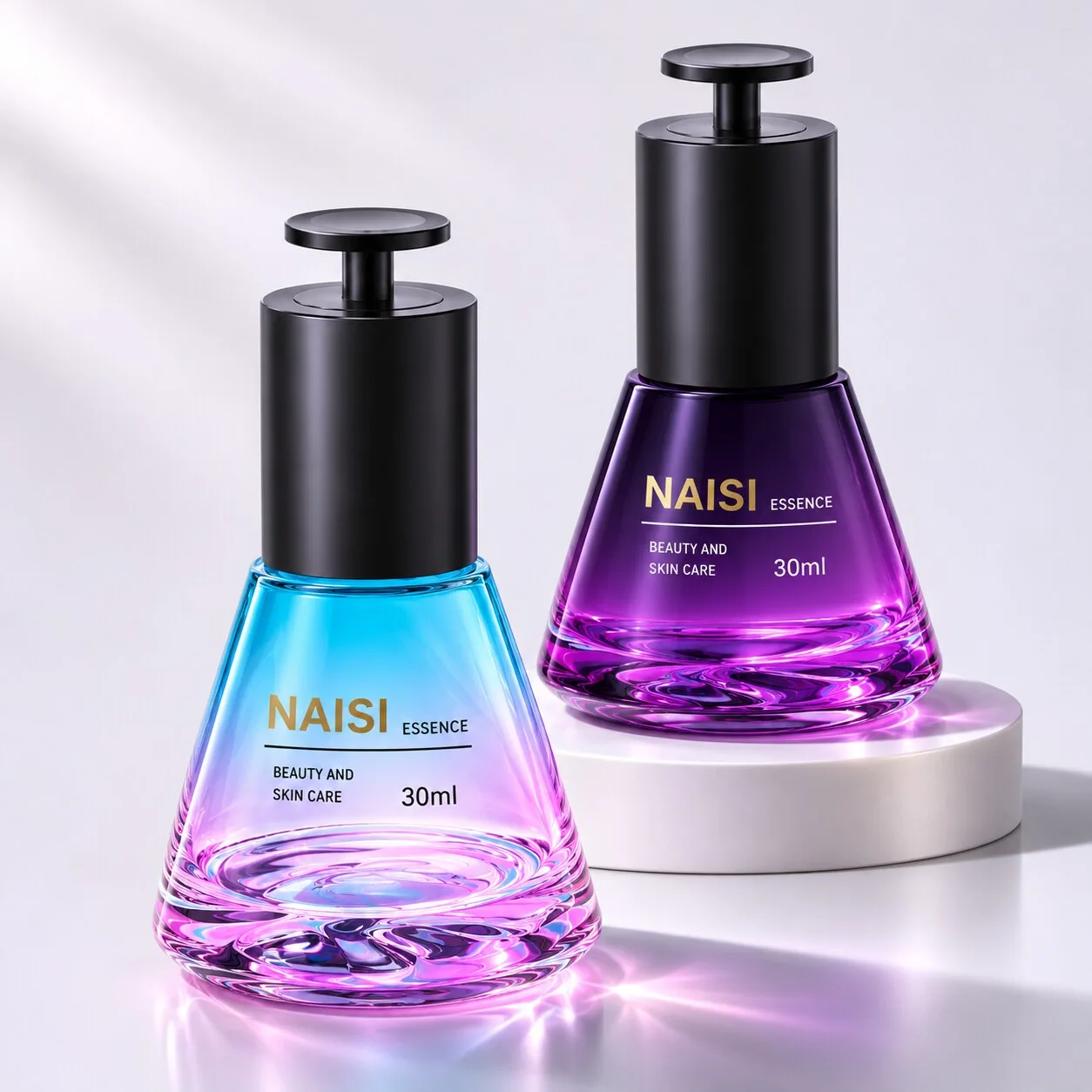
Frasco de sérum cónico com bomba em vidro de 30 ml com atuador de disco preto
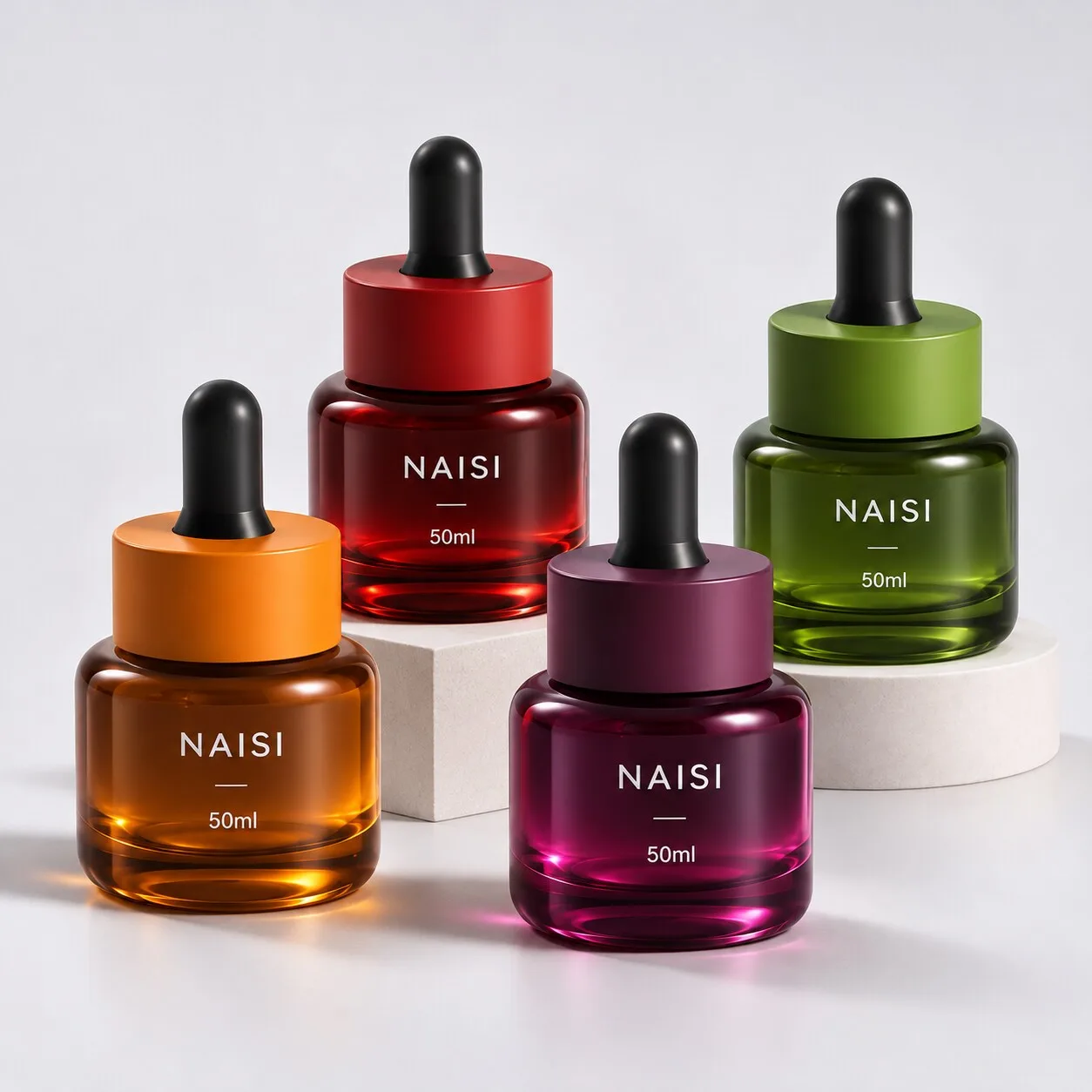
Frascos conta-gotas para sérum facial em vidro de tons joia de 50 ml
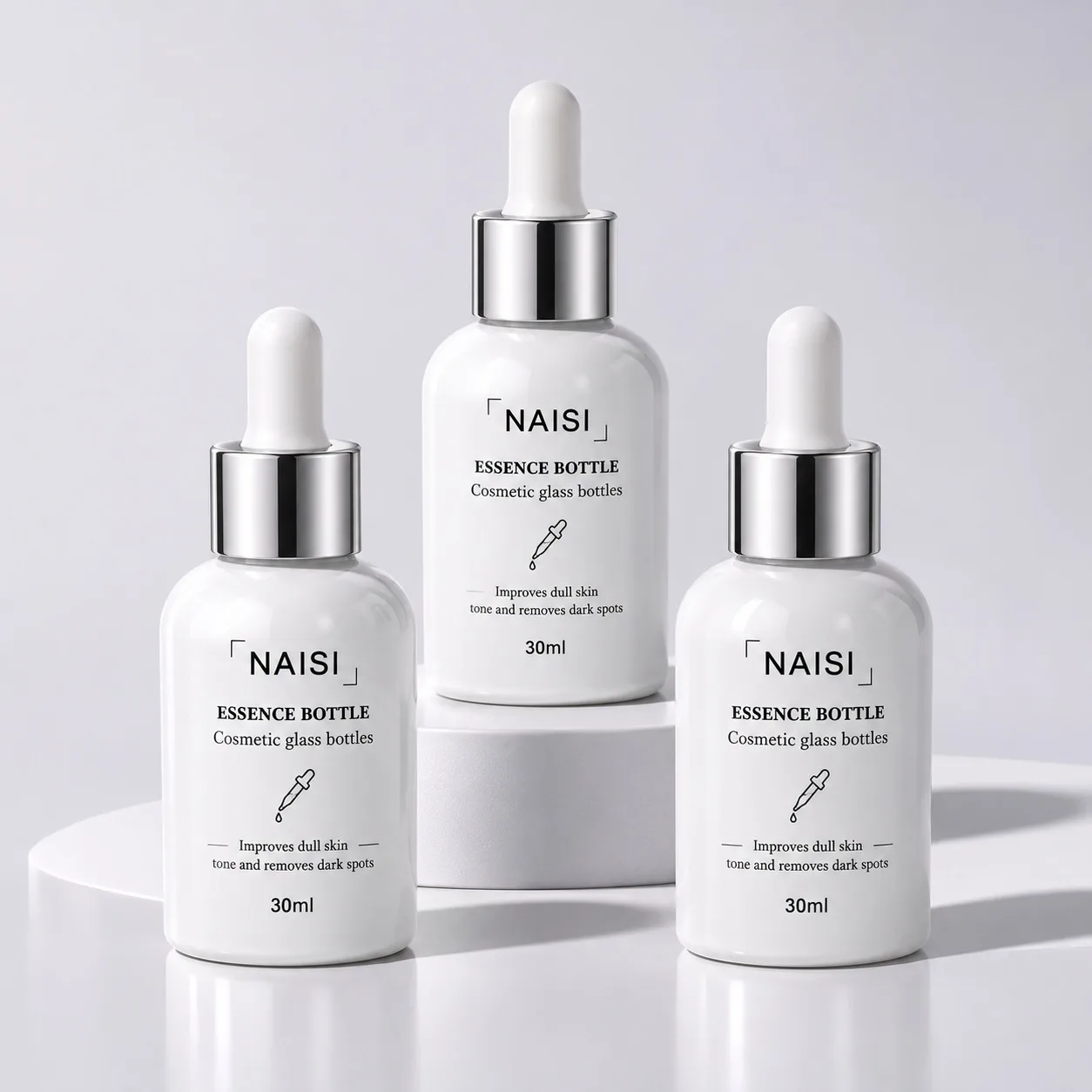
Frasco conta-gotas para sérum em vidro branco opaco de 30 ml
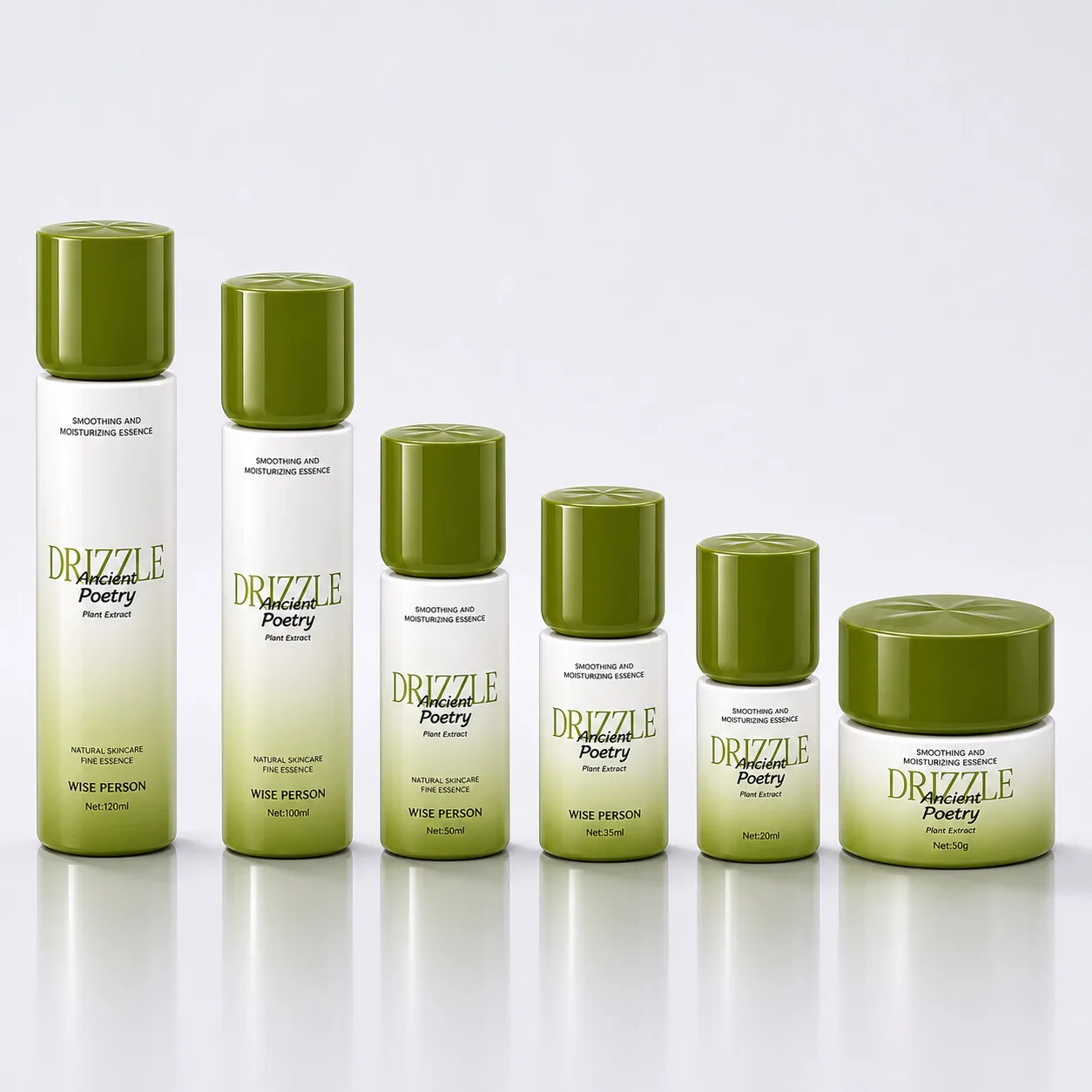
Conjunto de frascos e boião cilíndricos em vidro com degradê azul-petróleo para cuidados da pele