English
 日本語
日本語 Deutsch
 한국어
한국어 العربية
 Русский
 Türkçe
 Português
 Français
Indie Beauty Packaging: How to Scale From Stock Glass Bottles to Custom Packaging
Launching an independent beauty brand creates a packaging challenge that established brands rarely experience in the same way.
Cash needs to stay available for formula development, marketing, filling and sales. Order volumes are still developing, yet the bottle has to look intentional enough to support the brand from its first launch.
This is where a staged indie beauty packaging strategy becomes useful.
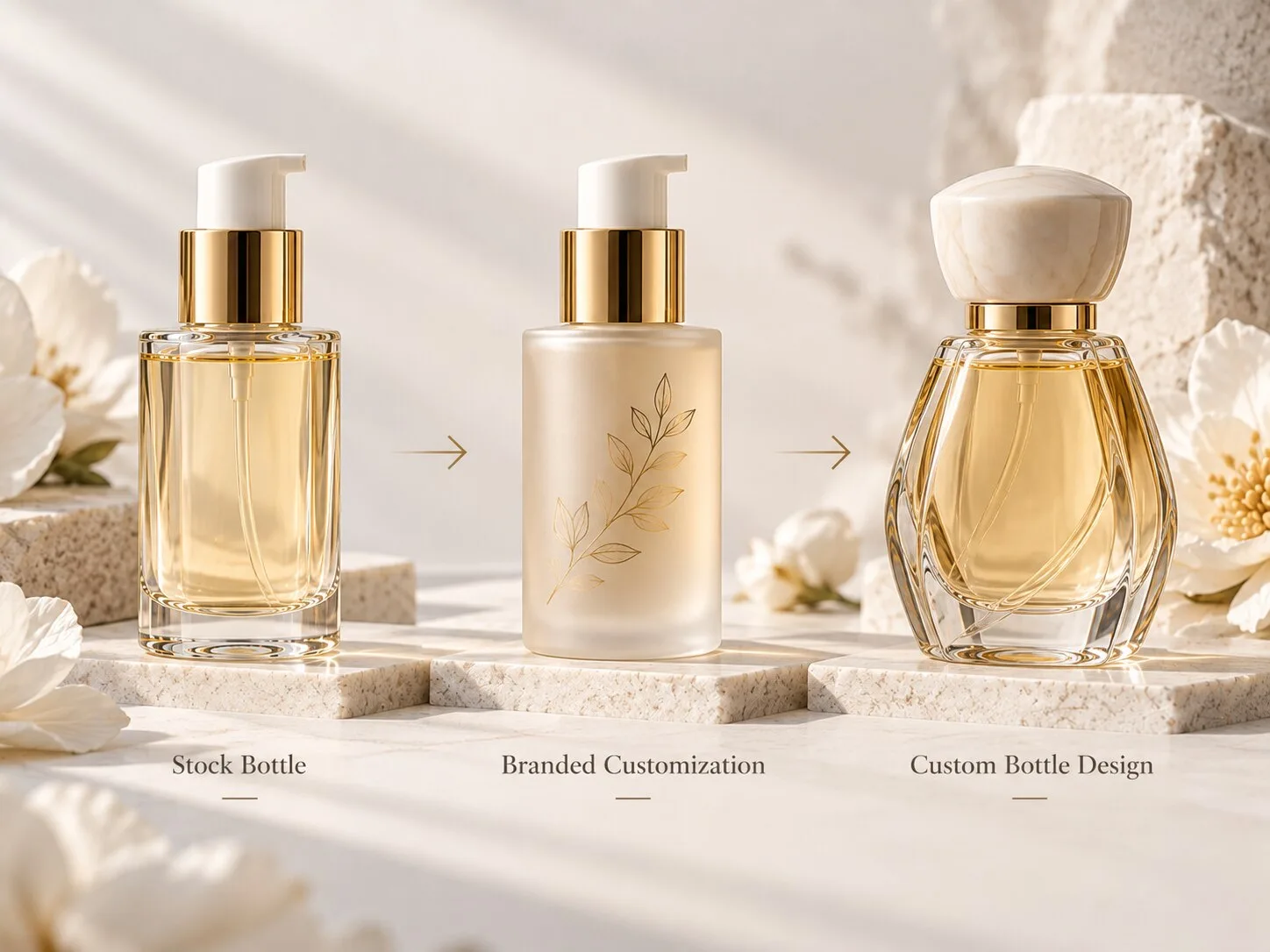
A young skincare, fragrance or beauty brand can begin with an existing glass bottle and build identity through decoration, color and carefully selected components. As demand becomes more predictable, the packaging can move toward deeper customization and eventually a proprietary bottle design.
The goal is not to customize everything as early as possible.
The goal is to invest in the right level of packaging at the right stage of growth.
For many emerging brands, that means starting with stock or existing mold bottles, validating the product in the market, strengthening visual identity through surface finishing, and moving into custom tooling once repeat demand provides a stronger commercial foundation.
Why Packaging Strategy Changes as an Indie Brand Scales
Packaging priorities change as the business changes.
During an early launch, flexibility carries significant value. The brand is still learning which capacity consumers prefer, how quickly products sell, which sales channel performs best and how often inventory needs to be replenished.
Packaging inventory directly affects working capital.
A bottle purchased in greater volume may offer a different unit cost, but the commercial advantage only becomes meaningful when those units can move through the market within a sensible period.
A growing brand approaches packaging from another angle.
Once repeat purchases and purchasing forecasts become more predictable, stronger visual ownership becomes valuable. A distinctive bottle silhouette, recognizable cap, coordinated color system or proprietary structural detail can strengthen the connection between the package and the brand.
The packaging supply model can evolve at the same time.
Quadpack provides a useful industry example of this structure. Its QLine range consists of standard packaging that can be customized through decoration and finishing. Quadpack positions these products around shorter lead times, lower MOQs and the absence of new mold investment, while its bespoke service covers custom design, tooling and production.
For an emerging beauty business, these are two different stages of the same packaging journey.
Phase 1: Start With Stock Bottles and Minimal Customization
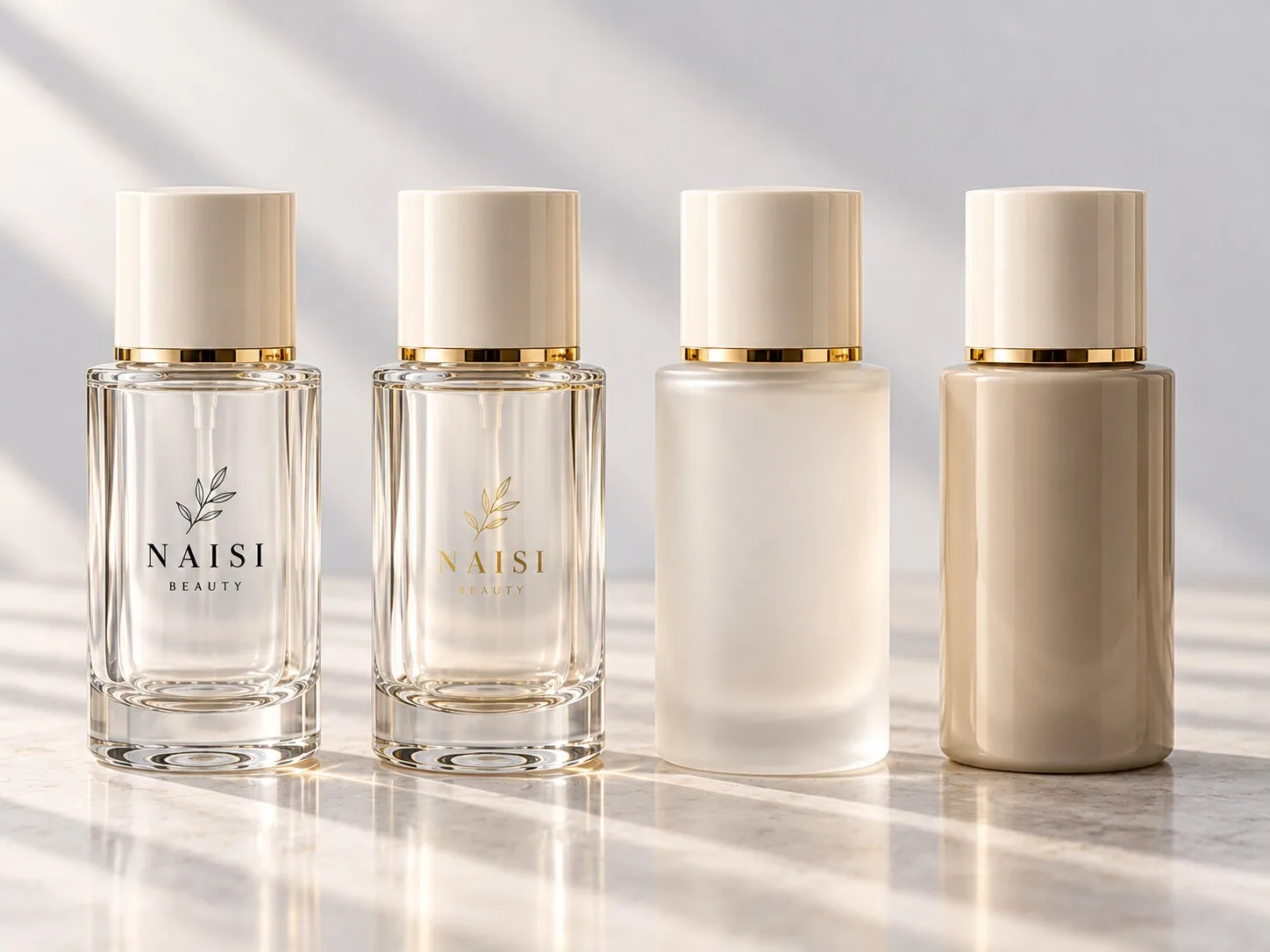
Stock glass bottles can provide an efficient starting point for a first commercial launch.
One distinction is important here.
A stock bottle means finished bottle inventory is actually available. An existing mold bottle means the tooling already exists, while a new production run may still need to be scheduled.
Buyers should confirm which option a supplier is quoting.
True stock can shorten the sourcing path when the required quantity and components are available. Existing mold production still avoids development of an entirely new bottle mold, which can make it a practical route for an early stage brand.
Start With Formula and Function
Choose the bottle around the product first.
A serum may require a treatment pump or dropper. Facial oil needs components compatible with the formula. A lotion requires a dispensing system capable of handling its rheology and recommended application amount.
Neck finish, capacity, filling requirements and closure compatibility should be confirmed before decoration begins.
Once the functional package is established, branding can be added to the glass.
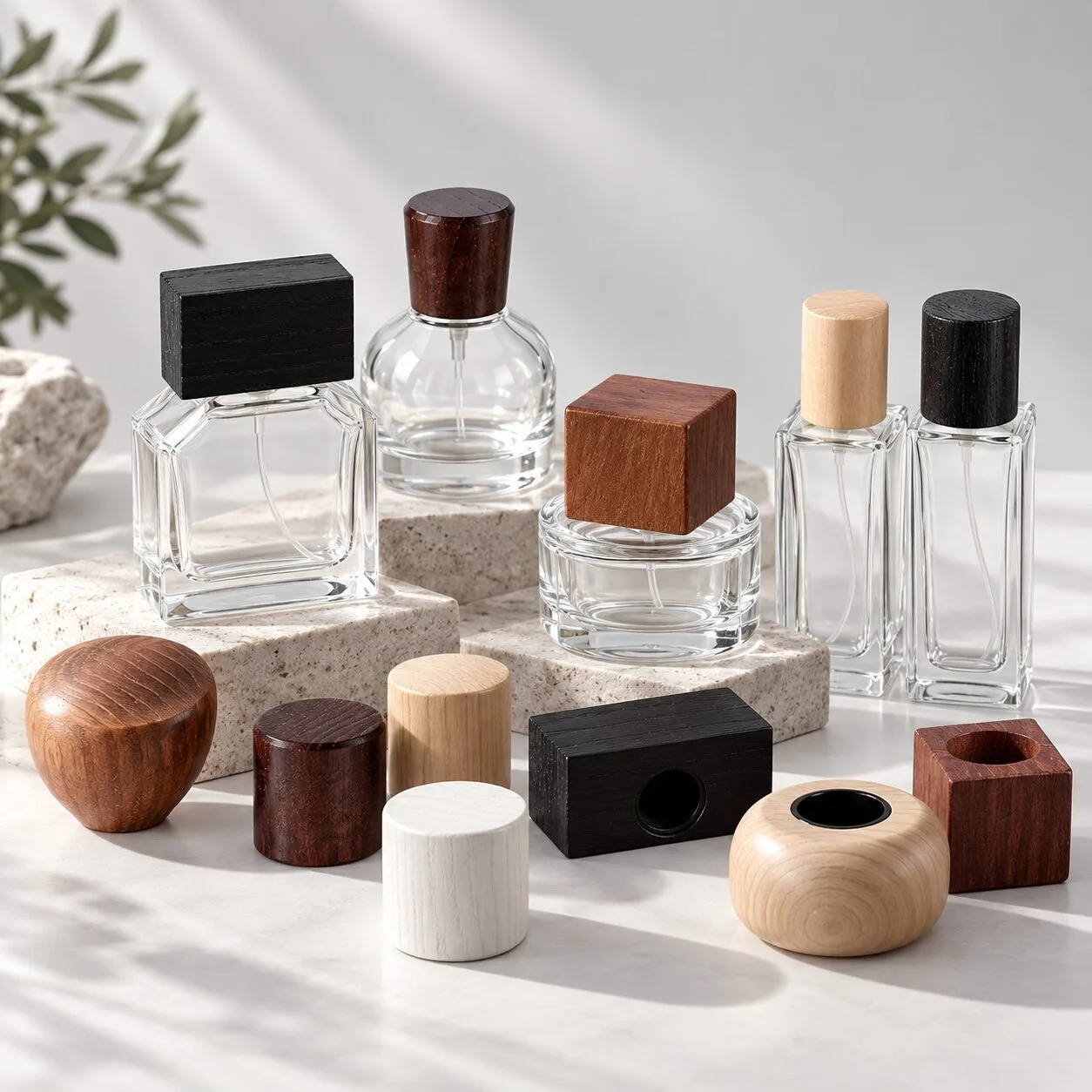
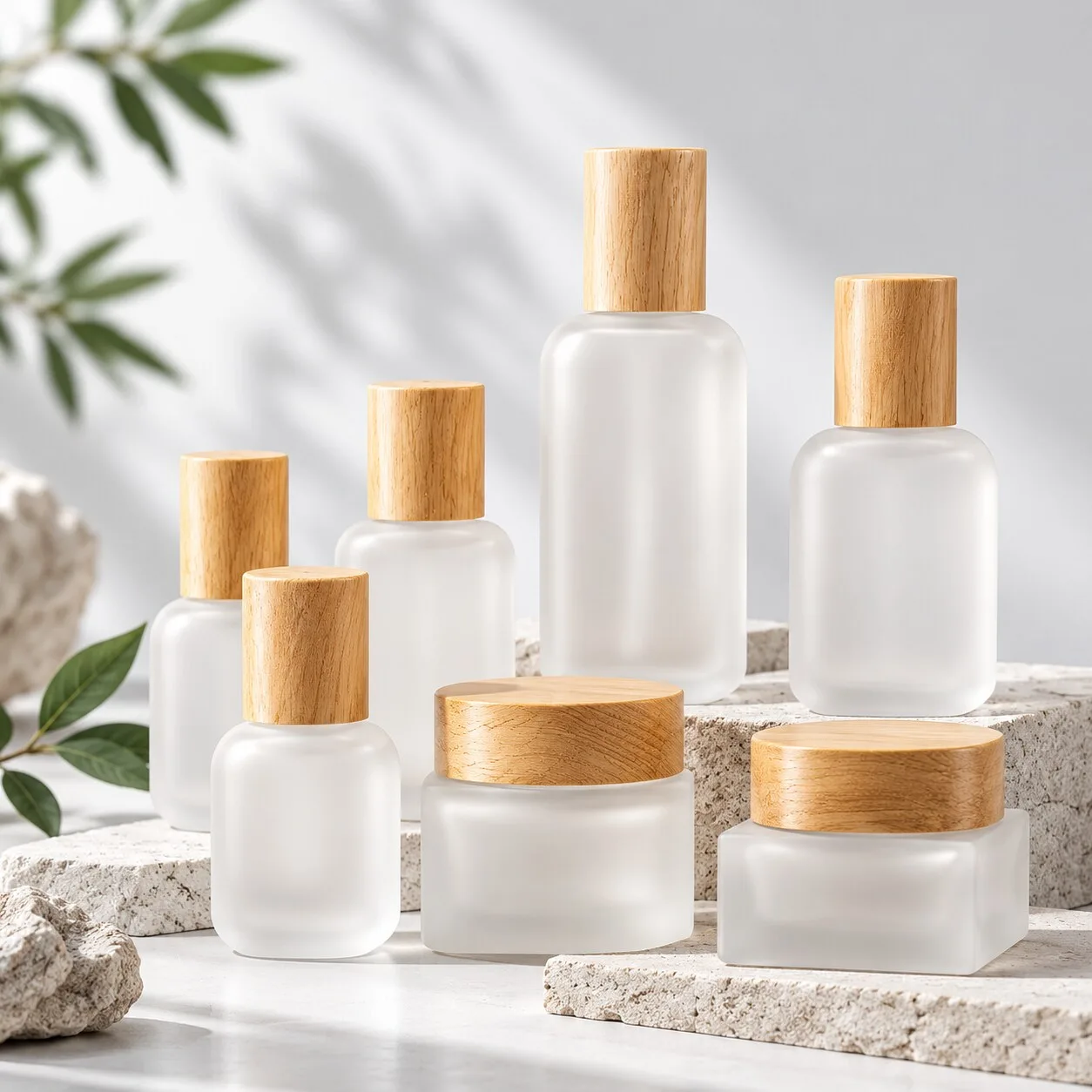
Silk screen printing can introduce logos and product information directly on the bottle. Hot stamping can create a controlled metallic accent. Frosting and sandblasting change the surface character of clear glass and can give a familiar bottle a more distinctive tactile presence.
A well coordinated stock bottle can still feel premium.
Bottle proportions, glass clarity, closure finish, artwork scale and secondary packaging often matter more than structural complexity during a first launch.
Use Existing Components Intelligently
Standard pumps, droppers and caps can also reduce the amount of component development required.
They still need technical matching.
The neck finish needs to correspond with the selected closure. Pipette or dip tube length should suit the actual bottle geometry. Formula compatibility should be evaluated with the finished dispensing system.
This gives an early stage brand a practical balance between speed and product integrity.
Phase 1 is primarily about learning.
Once real customers start purchasing the product, the brand gains useful information about capacity, dispensing preference, visual positioning and replenishment frequency. Those signals provide a much better foundation for the next packaging investment.
Phase 2: Add Surface Finish and Branded Details
After the first product begins generating repeat demand, the same glass platform can become much more recognizable.
This is where semi custom cosmetic packaging becomes especially useful.
The bottle mold can remain unchanged while the visible package evolves.
A clear glass bottle can move into a custom spray coated color. Translucent, solid or gradient finishes can create a stronger visual signature where the chosen decoration process supports the desired result. Silk screen artwork can become more refined, while hot stamping can introduce selected metallic details.
Frosted surfaces offer another direction.
The key is to give each process a clear visual purpose.
Several finishing operations can be combined successfully, although each additional process adds another stage of sampling, production coordination and inspection. A focused decoration plan usually gives a growing brand more control over both appearance and repeatability.
Build a Recognizable Product Family
As a brand introduces additional SKUs, packaging consistency becomes increasingly important.
That does not require every product to use exactly the same bottle.
A serum, facial oil and lotion may require different neck finishes or dispensing systems. They can still share a coordinated visual language through bottle color, cap finish, artwork positioning and decoration style.
This creates a family resemblance while allowing each formula to use an appropriate package.
Quadpack's work with emerging skincare brand facegloss provides a useful real world example. The range used existing packaging formats, including the Skin Up Bottle and Regula Glass Jar, while coordinated color treatment on caps and pumps helped create a coherent visual collection across different formats.
Selected projects may also use laser marking on suitable caps or compatible components where the material and supplier process support it.
Physical samples become increasingly valuable at this stage.
Color, coating, metallic details and component finishes can look different under changing light conditions, so approved physical samples provide a stronger production reference than digital renderings alone.
At this point, indie beauty packaging can feel highly brand specific even while the core glass bottle comes from an established mold.
Phase 3: Scale to Custom Bottle Design
A proprietary bottle becomes more relevant once demand and brand direction are more stable.
Custom tooling gives the packaging team control over structural features that decoration cannot create.
The brand can develop its own height to width proportions, shoulder profile, base geometry and overall silhouette. Embossed or debossed elements may become part of the glass structure where manufacturing feasibility allows.
Glass distribution and base design can also be developed around the desired visual effect and structural requirements.
These decisions need close cooperation with the glass manufacturer because glass weight alone does not define bottle strength or quality. Geometry, glass distribution, annealing, manufacturing consistency and handling conditions all contribute to final performance.
Custom packaging can also strengthen visual ownership.
A proprietary silhouette is harder to reproduce exactly through a standard catalogue bottle and can become a recognizable part of the brand's identity.
Aptar Beauty's September 2026 white paper describes custom primary packaging as a strategic tool for beauty brands seeking stronger differentiation and long term brand equity. Aptar also identifies proprietary molds as one route to creating more distinctive structural packaging.
Commercial readiness still matters.
Tooling, sampling, component development and production planning create a larger commitment than surface customization on an existing bottle. Stable repeat demand gives the brand a stronger basis for making that investment.
Supplier management also becomes more important.
Approved drawings, neck finish specifications, color references, decoration standards and final physical samples should be documented clearly. These references help subsequent production runs stay aligned with the agreed package.
As volumes grow, stronger supplier relationships also support production planning and component coordination.
This is the point where indie beauty packaging begins moving from launch support into long term brand infrastructure.
MOQ, Budget and Supply Reality Check
MOQ should be treated as a project specific production condition rather than a universal industry number.
It can change according to the bottle, actual stock availability, production tooling, decoration, closure, custom color and manufacturing schedule.
Even the same bottle can have several minimum quantities attached to one project.
The bare glass bottle may have one purchasing condition. Spray coating may have another. A custom colored pump or cap can introduce an additional production minimum.
This is why buyers gain more useful information by requesting a breakdown of the complete package.
Ask which quantity applies to:
the glass bottle, the closure, the decoration and any custom components.
The same principle applies to cost.
Unit bottle price represents only one part of the budget. Artwork setup, decoration sampling, custom color development, tooling, accessories, cartons, inserts and transportation all contribute to the final packaging cost.
Surface finishing also benefits from disciplined selection.
One carefully executed process can create a stronger brand impression than several finishes added simply to increase complexity.
Glass packaging requires practical quantity planning too.
Brands may choose to order spare units to support filling, QC or logistics requirements. The appropriate allowance should come from the project's packaging specification, supplier agreement, filling process and previous shipping experience rather than a fixed industry percentage.
This keeps budgeting tied to real production conditions.
For an emerging brand, inventory deserves the same attention as unit price.
The most useful purchase quantity is one that supports the launch plan, replenishment schedule and available working capital.
Common Mistakes Indie Brands Make With Packaging
One common mistake is moving into proprietary tooling before the commercial brief is stable.
A custom bottle works best when capacity, formula format, dispensing system and brand direction are already reasonably clear. Early market feedback can help confirm those decisions before the brand commits to tooling.
Another issue appears when quotations are compared only by bottle price.
A lower unit price may sit beside different component quantities, decoration requirements or packaging specifications. Comparing the finished configuration gives procurement teams a clearer commercial picture.
Bottle selection also needs to remain connected to the formula.
A popular shape can be visually appealing, but the final pack still needs suitable dispensing, sealing and filling characteristics. The selected pump or dropper should match the bottle neck finish and work with the actual formula.
Compatibility testing belongs in this development stage.
Production representative samples filled with the intended formula can reveal pump performance, dropper behavior, sealing quality and component interaction before bulk production.
Decoration should also be approved physically.
Spray coating, frosting, silk screen printing and hot stamping each respond differently to glass shape, surface condition and artwork. The final approved sample provides an important reference for subsequent production.
These checks help a growing brand scale packaging with more confidence.
Conclusion
A practical indie beauty packaging strategy evolves with the commercial stage of the brand.
Stock or existing mold glass bottles provide a flexible starting point. Decoration and coordinated components can then build stronger brand recognition. Once sales and purchasing forecasts become more stable, custom primary packaging can introduce proprietary structure and a more distinctive bottle identity.
Each stage serves a different business purpose.
The early launch prioritizes flexibility and product validation. The growth stage creates visual consistency. Custom tooling becomes more relevant when the brand has enough commercial information to define a bottle worth repeating for years.
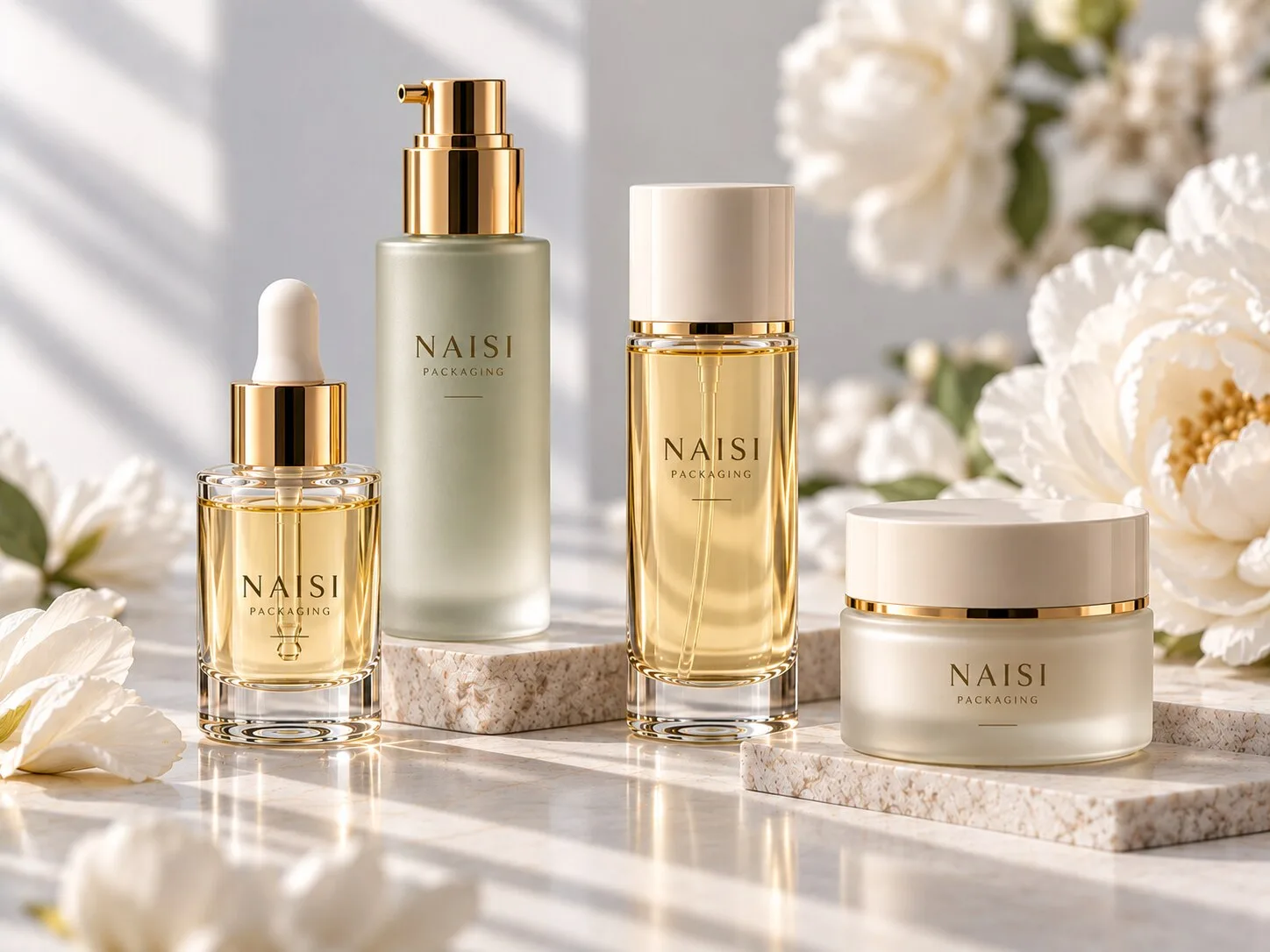
NAISI Packaging supports skincare, fragrance and private label beauty projects with stock and existing mold cosmetic glass bottles, as well as custom bottle development. Surface decoration can include frosting, sandblasting, spray coating, silk screen printing and hot stamping, with pumps, droppers and caps coordinated according to the bottle and project requirements.
Sharing the formula type, target capacity, dispensing preference, expected quantity and visual direction early helps narrow the packaging route before sampling begins.
Which stage is your brand at today: starting with an existing bottle, building a stronger visual identity, or preparing for a proprietary glass bottle?