한국어
한국어 English
 日本語
日本語 Deutsch
 العربية
 Русский
 Türkçe
 Português
 Français
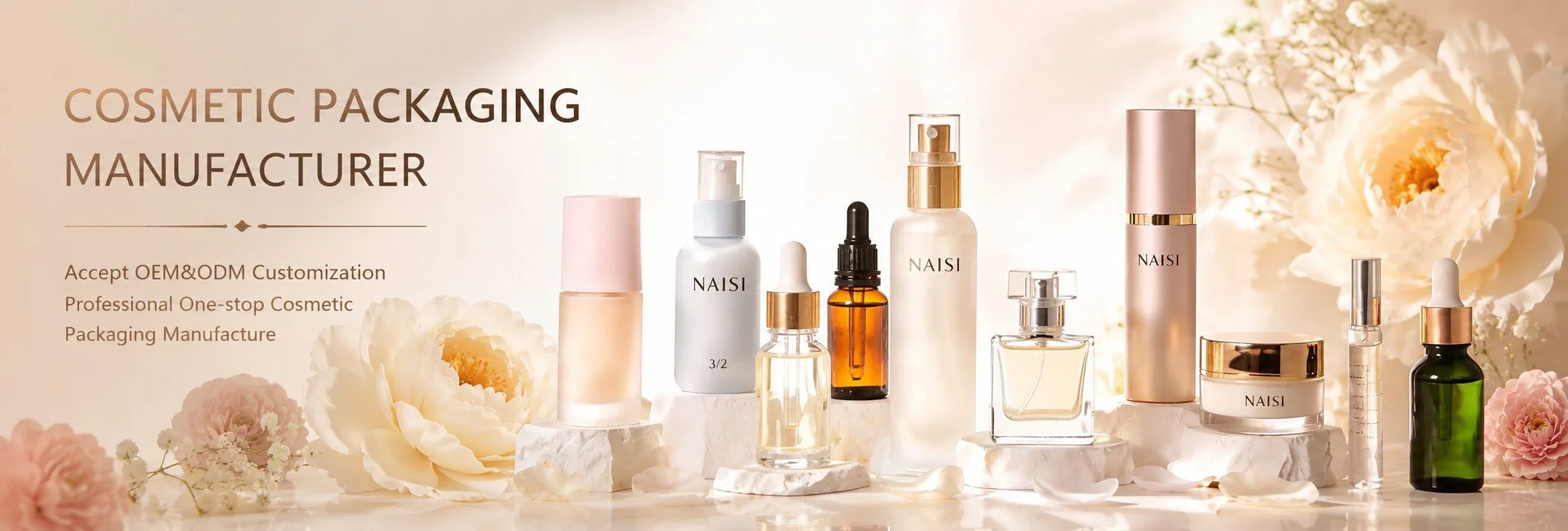
Luxury Packaging Doesn't Always Mean Expensive Packaging: Here's Why
Luxury Packaging Starts With Perception, Not a Price Tag
Many beauty brands assume that premium packaging requires a large tooling budget, complicated decoration, or a completely custom bottle.
In practice, the most convincing luxury packaging often comes from much simpler decisions.
A well made glass bottle with clean proportions, good transparency, a refined surface finish, and a well matched closure can create a stronger premium impression than a heavily decorated custom design.
This matters especially for DTC skincare brands, niche fragrance brands, private label businesses, and smaller beauty companies working with a controlled launch budget. Packaging has to look distinctive, while the sourcing model still needs to support realistic MOQs, sampling, production and shipping.
Current cosmetic glass suppliers commonly offer both stock and custom bottle programs, together with finishes such as frosting, spray coating, silk screen printing and metallic decoration. This gives brands considerable room to build a premium appearance around an established bottle platform.
So the real question is not simply how much you spend on packaging.
It is where you spend it.
The Common Assumption: More Decoration Means More Luxury
When a brand wants to move into a premium position, adding more visual details can feel like the natural solution.
A special bottle shape. Multiple colors. Several layers of decoration. Heavy metallic details. A complicated cap.
Each element can add visual interest, but the overall result depends on how well those elements work together.
Luxury beauty packaging often benefits from restraint.
Think about a clear or high clarity glass bottle with precise proportions and a carefully selected matte finish. Add a clean silk screen logo and a well weighted cap. The result can feel sophisticated because every component has a clear role.
This is particularly relevant for skincare and fragrance, where consumers often interact with the package before they experience the formula itself. The weight of the bottle, the way light passes through the glass, the surface texture and the movement of the cap all contribute to the first physical impression.
Industry packaging specialists increasingly describe this as a multisensory experience, where weight, surface feel and visual reflection work together to communicate product positioning.
That is where smart packaging decisions become valuable.
Why Premium Cosmetic Packaging Can Be Cost Efficient
1. Glass Material Creates the Foundation of the Look
The glass itself is one of the first places to consider when developing premium cosmetic packaging.
High flint glass, often described by buyers as high clarity or high white glass, offers a cleaner and more transparent appearance than standard flint glass. This can be particularly effective for serum bottles, fragrance bottles and other products where the visual quality of the glass is part of the presentation.
A simple square bottle made from good quality glass can already have a strong shelf presence.
The advantage comes from the material and proportions rather than from an unusual silhouette.
For a new skincare brand, this can make a major difference. Instead of investing immediately in an exclusive mould, the brand can start with an established bottle shape and use material quality, decoration and component selection to create its own visual language.
Many professional packaging suppliers already carry stock cosmetic glass bottles in multiple sizes, shapes and finishes, giving brands a practical starting point for premium packaging development.
2. One Refined Finish Can Do More Than Several Complicated Processes
Surface decoration is where packaging budgets can change quickly.
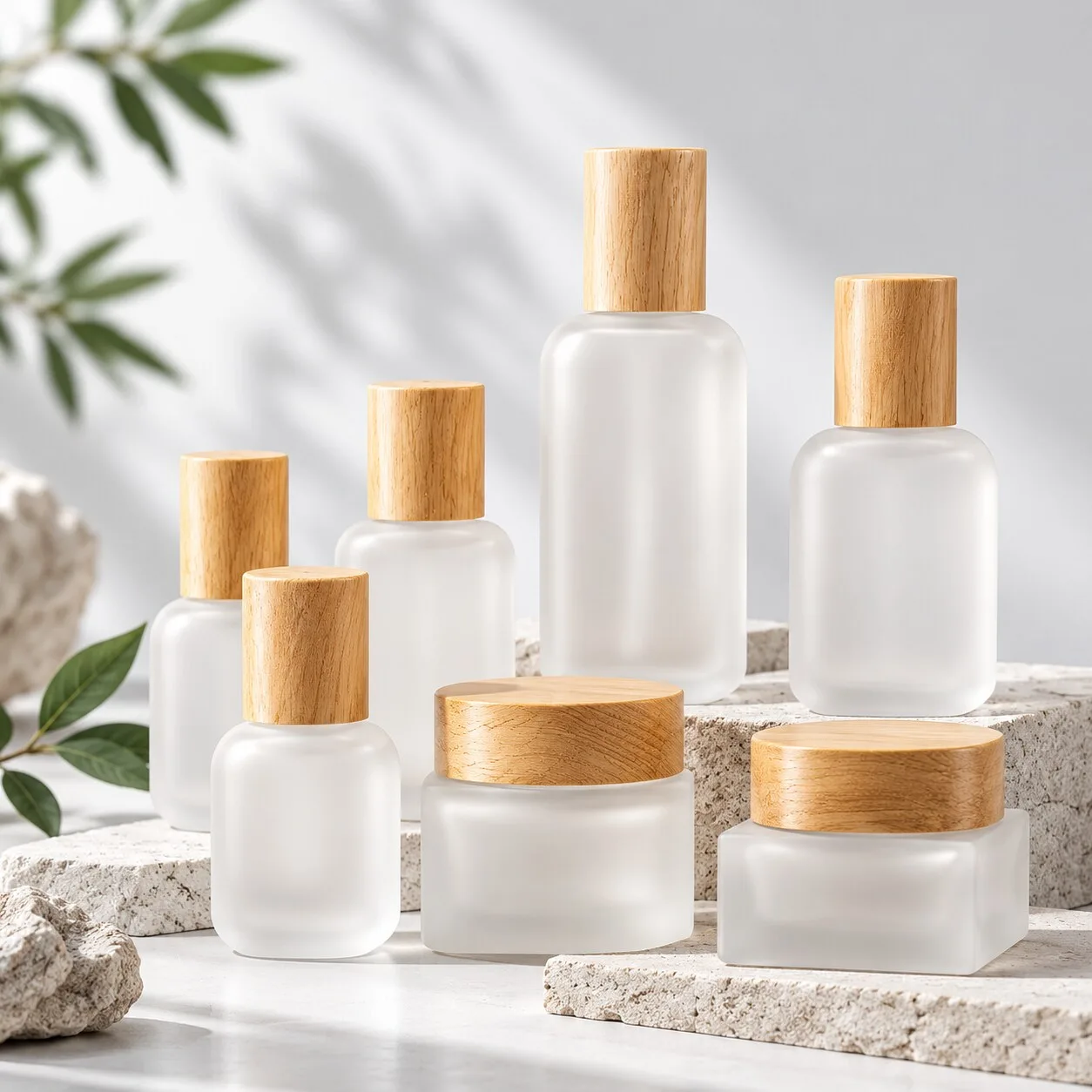
Frosting creates a soft, diffused appearance and changes the way light interacts with the glass. Matte spray coating can create a more uniform color direction. Silk screen printing gives brands a clean way to apply logos and product information. Hot stamping introduces a metallic accent that can work particularly well when used selectively.
The key is choosing the finish according to the bottle and brand positioning.
For example, a transparent glass bottle with a subtle frosted surface and a restrained metallic logo can create a very different feeling from the same bottle covered with multiple decorative effects.
More processing also means more production variables. Each additional process requires appropriate sampling, process control and quality inspection.
A focused decoration plan is often easier to manage across production batches.
For brands working with a limited launch budget, that matters because packaging cost is connected to production complexity as well as the unit price of the glass.
3. Stock Bottles Can Be a Strategic Luxury Packaging Choice
Stock packaging has changed considerably in the beauty market.
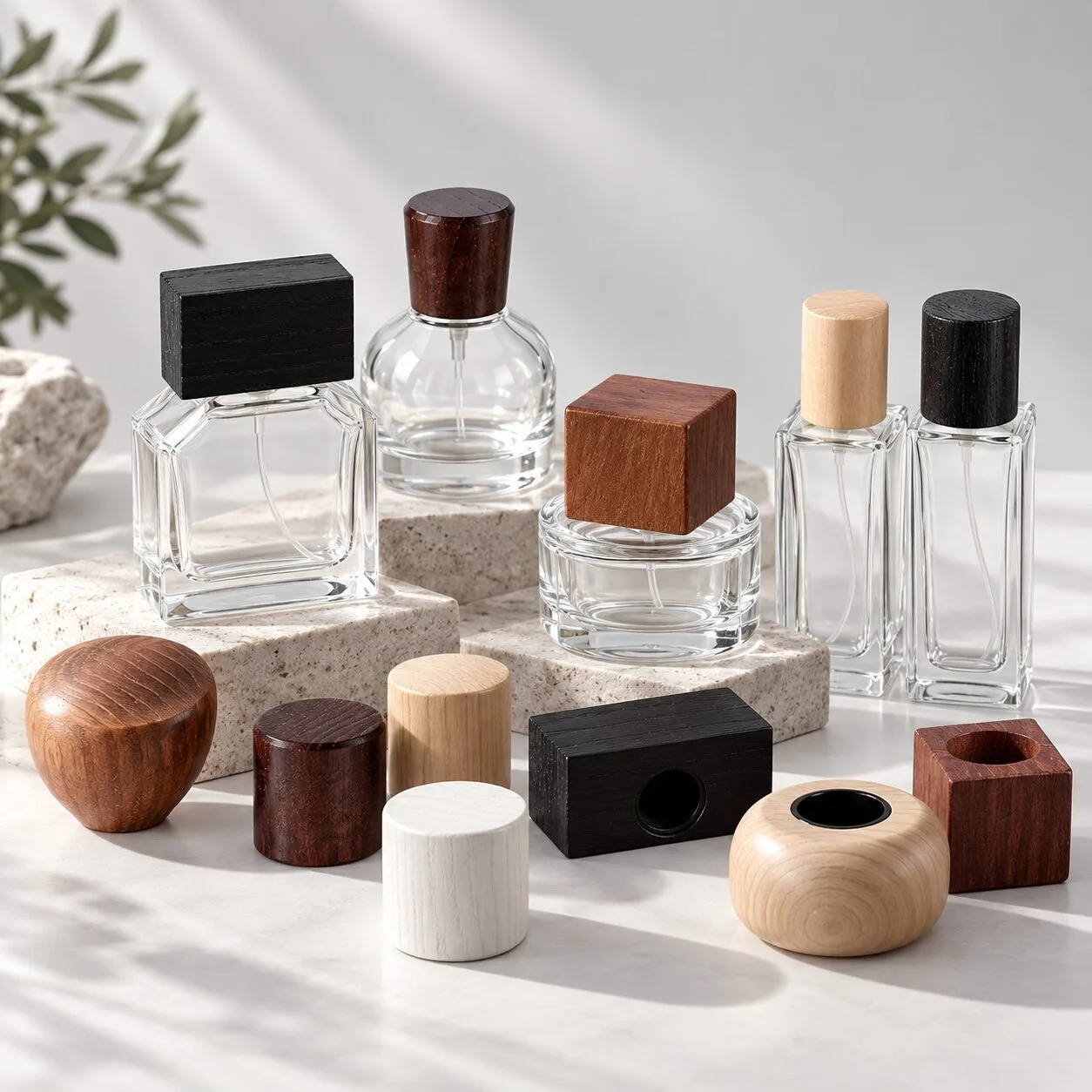
Established bottle shapes are available in many proportions and capacities, including formats commonly used for serums, lotions, perfumes and facial treatments. Some suppliers also provide matching pumps, droppers, caps and decorative services.
This makes stock glass packaging particularly useful for early stage brands.
A brand can select a suitable bottle, test the formula and dispensing system, develop the visual identity, and then move into decoration with a clearer understanding of the finished product.
The development process becomes more predictable.
Custom moulds still have an important role. They make sense when a brand has a clear long term bottle concept, sufficient production volume, and a strong reason to own a distinctive physical shape.
The point is timing.
A custom mould should support the brand strategy rather than become the starting point for every new product.
Three Practical Ways to Create a Luxury Look on a Controlled Budget
Start With High Clarity Glass
If the product positioning relies heavily on visual purity, consider high flint or other suitable high clarity glass options.
The difference can be especially noticeable on transparent bottles displayed under retail lighting or photographed for ecommerce.
A clean glass surface gives designers a strong foundation.
Keep Decoration Focused
Choose one main surface treatment and one supporting detail.
A frosted bottle with a simple printed logo can feel extremely refined. A matte colored bottle with a small hot stamped detail can create another premium direction.
The goal is visual consistency.
When the bottle, finish, logo and closure speak the same design language, the entire package feels more intentional.
Match the Components
The bottle is only one part of the finished package.
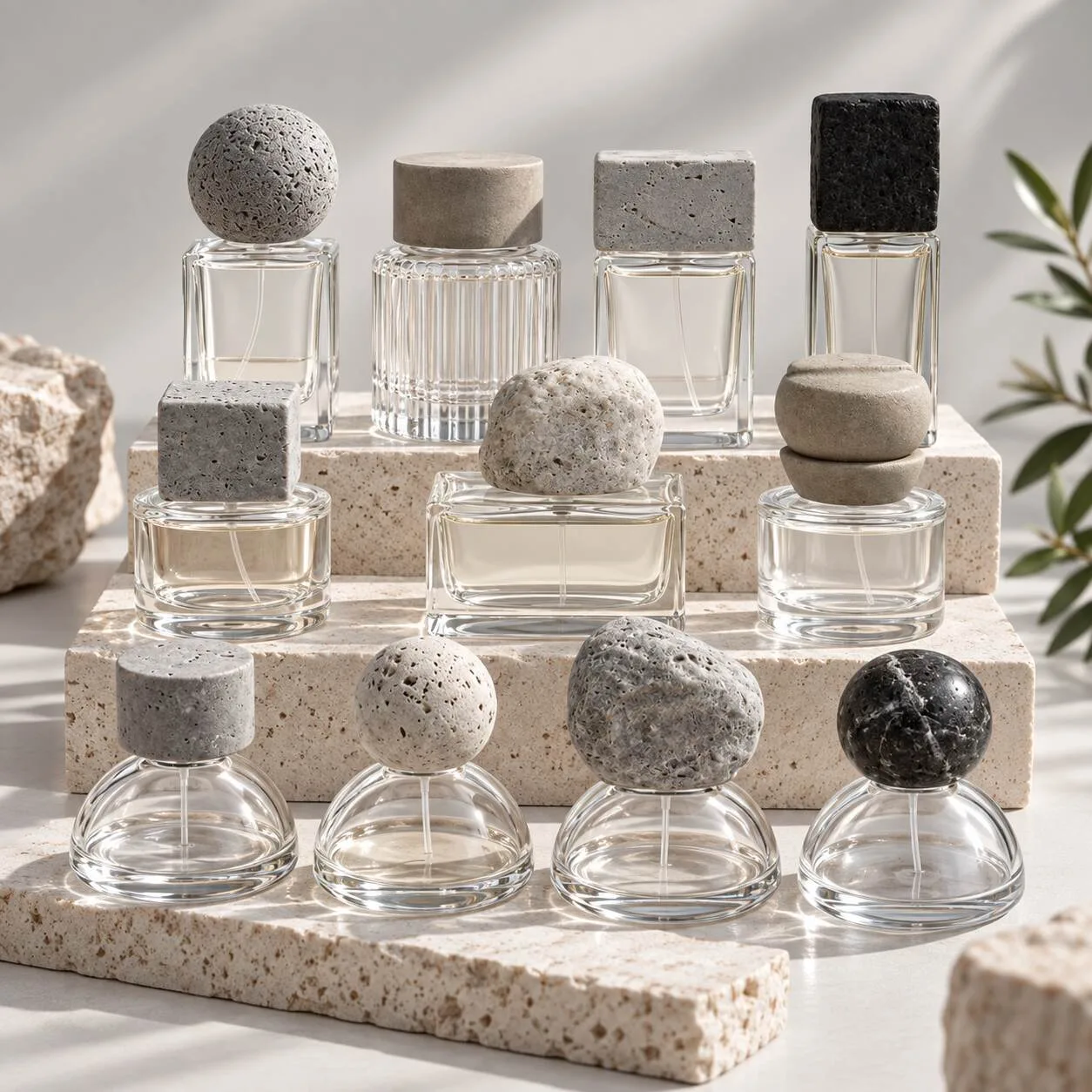
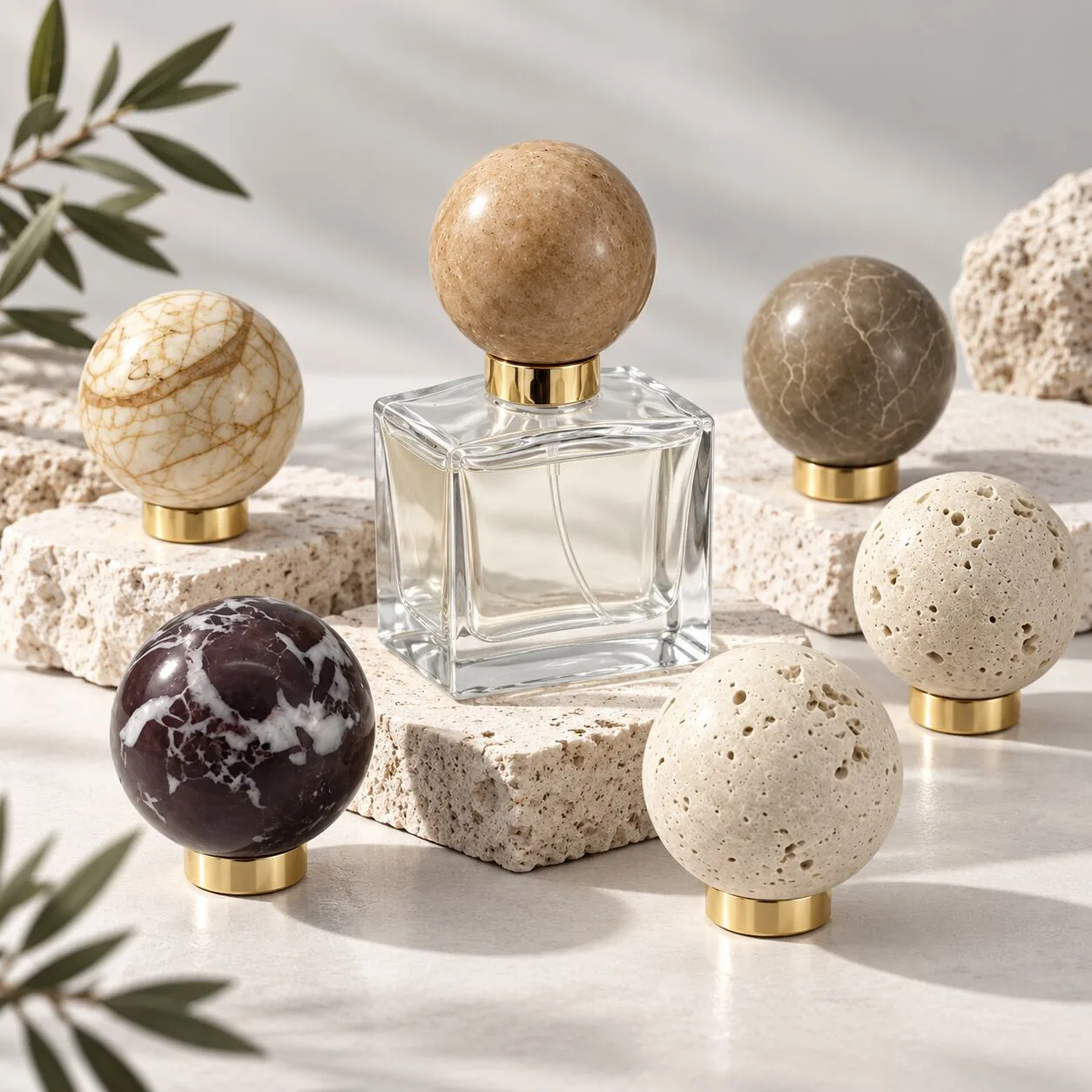
A premium glass bottle paired with an unsuitable cap can change the perception immediately. The same applies to pumps, droppers and other dispensing components.
Pay attention to proportion, color, finish and fit.
A unified component system often creates more perceived value than adding another decorative process to the bottle.
Where Packaging Budgets Commonly Get Consumed
For procurement teams, the bottle quotation is only one part of the calculation.
The complete packaging cost can include tooling, decoration, components, sampling, quality inspection, packing and freight. A bottle with a lower initial unit price can require additional development or processing expenses later.
This is why experienced buyers compare the complete packaging solution rather than comparing two bottle prices in isolation.
Custom mould development is one area that deserves careful planning.
If the final bottle concept changes during development, mould modification and additional sampling can extend the project. A proven stock shape can reduce that development stage when the brand is still validating its market direction.
Complex decoration also deserves a realistic assessment.
Frosting, spray coating, silk screen printing and hot stamping each require their own process controls. When several finishes are combined, the supplier needs to manage the sequence, appearance consistency and inspection requirements across the production run.
A clear specification sheet makes this much easier.
The same principle applies to small brands. A smaller order still deserves professional packaging standards, but the sourcing strategy should match the actual stage of the business.
A Better Way to Think About Luxury Packaging
I often suggest that brands divide packaging development into three layers.
The first layer is material.
What type of glass creates the right visual and tactile foundation?
The second layer is form.
Does the bottle shape communicate the brand clearly? Does the capacity make sense for the product and customer usage?
The third layer is finish.
Which decoration adds value without making the package visually crowded?
Once these three decisions are clear, the cap and dispensing system can be selected to complete the design.
This approach gives the design team room to create something distinctive while giving procurement a clearer framework for cost control.
It also makes supplier communication easier.
Instead of asking, “Can you make this bottle look luxury?”, the buyer can discuss specific requirements such as glass clarity, bottle dimensions, surface treatment, decoration position, closure finish and production quantity.
That is a much more productive conversation.
When Should a Brand Choose Custom Moulds?
Custom moulds are valuable when the bottle itself has become part of the brand identity.
For an established fragrance house, a distinctive silhouette can become an important recognition element. For a premium skincare collection, a proprietary shape can help create consistency across multiple products.
The economics also become more meaningful when production volumes are stable and the bottle will remain part of the brand architecture for a longer period.
For a startup preparing its first product, the calculation can look different.
A stock bottle allows the brand to invest more of its early budget in formulation, testing, branding, photography, marketing and inventory. Once the product proves its direction, the brand can explore a proprietary mould with stronger commercial confidence.
There is no single packaging strategy for every beauty company.
The right choice depends on the product, positioning, order volume and stage of the brand.
How NAISI Packaging Approaches Luxury Cosmetic Glass
At NAISI Packaging, we work with beauty brands that want a premium visual result while keeping packaging development practical.
Our range includes ready to ship cosmetic glass bottles for skincare, fragrance and other beauty applications. Brands can select established bottle shapes and develop the final appearance through surface treatments such as frosting, sandblasting, silk screen printing, hot stamping and spray coating.
This approach gives smaller brands more room to test their packaging direction before moving into deeper customization.
For brands that already have a defined concept, custom mould development can also become part of the project.
The important part is building the packaging around the brand's actual needs.
NAISI Packaging can also support brands looking for coordinated glass bottles, decoration and packaging development services.
Luxury Is About the Details You Can Feel
Premium packaging is ultimately a combination of material quality, proportion, finish and consistency.
A beautiful bottle does not need every available decoration.
Sometimes the most convincing result comes from a high clarity glass bottle, a precise matte finish, a restrained logo and a well matched closure.
That is also why experienced packaging buyers look beyond the initial bottle quotation. The better question is how the complete packaging solution performs from sampling through mass production.
For brands with a controlled budget, the opportunity is clear. Choose the right glass. Select a mature bottle structure. Use decoration with purpose. Build the components into one visual system.
Luxury can come from precision.
And precision can be surprisingly cost efficient.
Final Thought
When you are developing premium skincare or fragrance packaging, where do you think the budget creates the most value: the glass itself, the bottle shape, the surface finish, or the closure?
🏭 Watch Our 공장 Production Videos