日本語
日本語 English
 Deutsch
 한국어
한국어 العربية
 Русский
 Türkçe
 Português
 Français
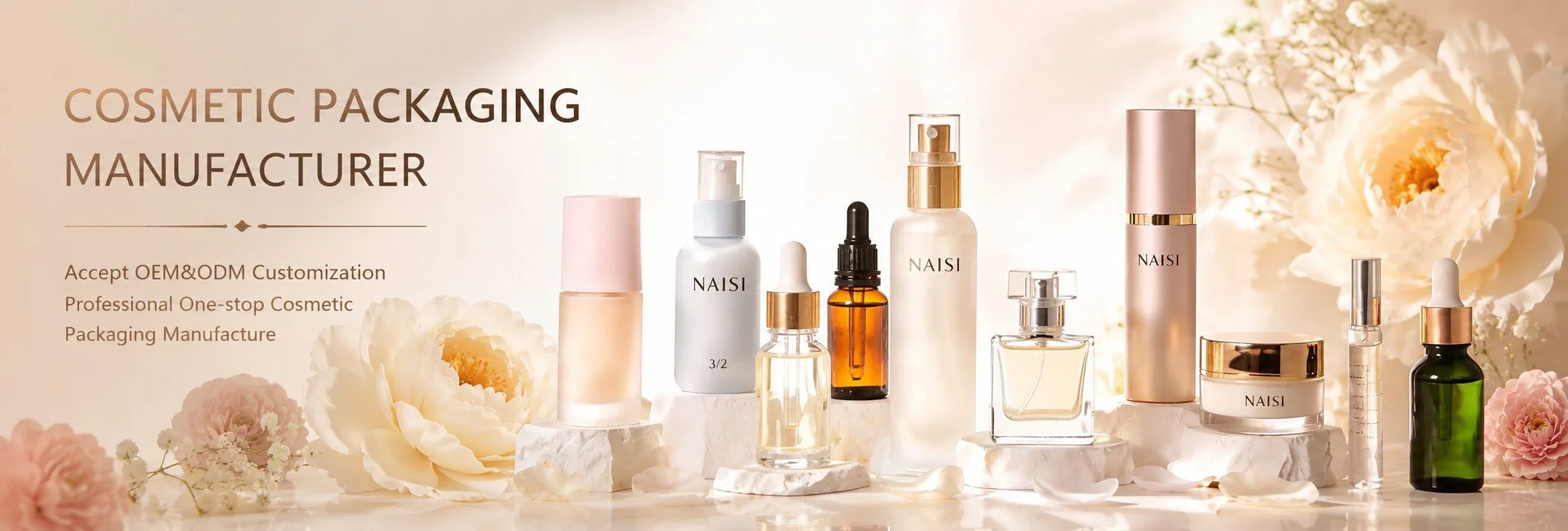
Why Two Cosmetic Bottles That Look Identical Can Have Completely Different Costs
Two cosmetic glass bottles can look almost identical in a product photo and still receive very different quotations.
For beauty brands comparing suppliers, this can be frustrating. One factory offers a surprisingly low price, while another quotes significantly more for what appears to be the same bottle.
The difference often becomes clear only after the samples arrive.
One bottle may have cleaner glass, more consistent wall distribution, better surface quality and more stable decoration. The other may look acceptable at first glance, yet show more variation once it enters decoration, assembly, filling or mass production.
This is why experienced packaging buyers rarely compare cosmetic glass bottles by appearance alone.
The real cost is built into the material, forming process, finishing requirements and quality control behind the finished bottle.
For skincare, fragrance and premium beauty brands, understanding these differences can make packaging budgets much easier to manage.
The Same Bottle Shape Can Start With Different Glass Materials
Bottle design is only the visible part of a glass packaging project.
The glass composition and quality level underneath can have a significant influence on the final product.
In cosmetic packaging, suppliers may use terms such as Flint glass and High Flint glass to describe different levels of clarity and appearance. These terms are widely used in commercial packaging discussions, although buyers should always request the supplier's actual material specification rather than relying on the name alone.
High Flint glass is commonly selected when a brand wants a cleaner, brighter appearance. The glass can present a more neutral visual background, which is particularly useful for transparent skincare, serum and fragrance packaging where the appearance of the bottle itself contributes to perceived quality.
Standard Flint glass can provide a practical solution for many mainstream packaging applications.
The important point is matching the glass specification with the positioning of the product.
A premium serum bottle with a transparent or lightly coloured finish may justify a higher clarity glass specification. A high volume product with a simpler visual requirement may have more flexibility.
This is one reason two bottles with the same shape and capacity can carry different prices.
The mould may be identical.
The glass specification may not be.
Glass Clarity Changes What Customers See
When a transparent cosmetic bottle is placed next to another bottle, the difference in glass clarity can become surprisingly obvious.
A cleaner glass body creates a brighter and more refined appearance. It also allows the colour of the formula to be presented more naturally.
This matters for premium skincare and fragrance.
A clear serum with a delicate colour can look completely different when viewed through glass with a noticeable green or grey cast.
For brands investing heavily in formulation, photography and visual merchandising, this detail becomes part of the overall packaging experience.
High clarity glass is therefore often chosen for products where the bottle itself is expected to communicate quality.
For a procurement team, the right question is not simply:
“Is this bottle made from glass?”
A better question is:
“What glass specification are we actually buying?”
When requesting quotations, ask suppliers to clarify the glass type and quality specification used for the production sample and mass order.
This creates a much more meaningful basis for comparison.
Wall Thickness and Glass Weight Affect More Than Appearance
Two bottles can have exactly the same external dimensions while feeling completely different in the hand.
This usually comes down to the glass distribution and overall weight.
A premium cosmetic glass bottle often has a carefully developed structure that balances appearance, strength, manufacturing requirements and material usage.
The goal is not simply to make the bottle heavier.
Excessive glass weight can increase material consumption, shipping weight and handling requirements. A well-developed bottle instead aims for consistent forming and an appropriate glass distribution for its intended use.
This becomes particularly noticeable with luxury skincare and fragrance packaging.
Pick up two bottles with the same capacity.
One feels substantial and balanced. The other feels lighter and less refined.
That difference immediately influences perceived value.
For procurement teams, bottle weight should therefore be treated as a specification rather than an aesthetic assumption.
When comparing quotations, ask for:
Bottle weight
Capacity
Overall dimensions
Glass specification
Reference sample
A price comparison becomes much more accurate when these details are evaluated together.
Wall Thickness Uniformity Matters During Production
Glass bottles are formed from molten glass, and the final distribution of material throughout the bottle is influenced by the forming process and bottle design.
This is where manufacturing consistency becomes important.
A bottle that looks acceptable individually may still create challenges when large quantities are produced if dimensional and weight variation are not controlled properly.
For brands using pumps, droppers, collars or other components, dimensional consistency also matters because the glass bottle needs to work together with the selected closure system.
This is particularly important around the neck finish.
The bottle body may attract most of the attention during design development, but the neck is an engineering interface.
A supplier with strong process control should have defined specifications for critical bottle dimensions and should verify production against those requirements.
This is one reason a lower quotation can sometimes represent a different manufacturing standard rather than simply a better commercial deal.
Annealing Affects Glass Quality, but It Is Not a Leak Prevention Process
This point deserves special attention because annealing is sometimes described incorrectly in cosmetic packaging discussions.
Annealing is primarily used to reduce residual internal stress in formed glass.
After a bottle is formed, controlled cooling through an annealing process helps relieve stresses created during manufacturing.
For buyers, this matters because residual stress can influence the glass bottle's mechanical performance during subsequent handling and processing.
However, annealing itself should not be presented as a direct solution for liquid leakage.
A bottle leaks because of issues involving the complete packaging system, such as the bottle neck, closure, pump or sprayer, sealing interface, assembly and compatibility.
Annealing supports the quality of the glass container.
It does not replace proper closure matching or package compatibility testing.
This distinction is important when evaluating a cosmetic glass bottle manufacturer.
A professional supplier should be able to explain what each manufacturing process actually controls.
Decoration Can Change the Cost Significantly
A plain glass bottle is only the starting point for many premium beauty packaging projects.
Once decoration is added, the production process becomes more involved.
Common cosmetic glass bottle decoration options include:
Frosting
Spray coating
Silk screen printing
Hot stamping
Gradient coating
Metallized decorative effects
Each process has its own production requirements and quality control considerations.
For example, frosting changes the surface appearance of the glass and requires consistent treatment across the production batch.
Spray coating introduces additional control requirements for colour, coverage and surface finish.
Hot stamping and screen printing require accurate positioning and suitable surface preparation.
The important point for buyers is that the decoration price should be evaluated together with the expected finish and acceptance standard.
Two suppliers may quote the same bottle with “gold logo.”
The actual production specifications could be very different.
One may use a simple logo application.
Another may provide tighter positioning control, better surface preparation and more detailed inspection.
The quotation alone does not tell the whole story.
Quality Control Is Built Into the Price
This is probably the least visible difference between two cosmetic glass bottles.
A finished bottle may look simple.
The quality control behind it is not.
A professional glass packaging supplier may inspect characteristics such as:
Glass appearance
Visible bubbles or inclusions
Surface defects
Dimensional consistency
Bottle weight
Neck finish
Decoration quality
Packaging condition
The exact inspection method and acceptance criteria should be agreed according to the product specification and supplier quality system.
For buyers, the key question is:
What happens to the bottles that do not meet the agreed specification?
A factory with clear inspection procedures and defined acceptance standards has a different cost structure from a supplier that mainly focuses on output volume.
This difference may not appear in the product photograph.
It appears during mass production.
The Hidden Cost of a Low Cosmetic Glass Bottle Price
A low unit price can look attractive when a brand is preparing its first order.
But packaging cost should be viewed across the entire purchasing cycle.
Suppose a supplier offers two quotations.
Supplier A is slightly more expensive.
Supplier B is cheaper.
At first glance, Supplier B looks like the obvious choice.
Then production begins.
The brand discovers that the glass appearance varies more than expected. Decoration requires additional sorting. Some bottles require replacement. The production schedule becomes harder to coordinate.
The original unit price is still low.
The actual packaging cost is no longer as attractive.
This is why mature beauty brands increasingly evaluate total packaging cost, rather than only the initial bottle quotation.
The objective is predictable quality.
Predictability is valuable.
How Experienced Buyers Compare Cosmetic Glass Bottle Quotes
When we work with beauty packaging projects, one of the most useful purchasing habits is simple:
Compare specifications before comparing prices.
Ask every supplier to quote against the same information.
Bottle specification
Capacity, dimensions, weight and glass type should be clearly identified.
Glass quality
If High Flint glass is requested, confirm that the production specification reflects the agreed glass quality.
Neck finish
The neck specification needs to match the selected pump, dropper, sprayer or closure.
Decoration
Specify the exact finishing process, colour reference, decoration area and artwork requirements.
Quality standard
Confirm what visual and dimensional characteristics will be inspected.
Packaging
Ask how the finished bottles will be packed for transportation and whether the packing method has been validated for the intended shipping conditions.
Sample approval
Make sure the approved sample represents the production specification.
This approach gives procurement teams a much clearer comparison.
Why 工場 Standardization Can Reduce Your Real Packaging Cost
There is another factor that is often overlooked.
A mature glass packaging factory can benefit from standardized production processes, established moulds, experienced forming teams and established decoration workflows.
For brands using existing bottle designs, this can make the development process more predictable.
It can also make stock packaging an attractive option for startups.
Instead of developing a completely new bottle immediately, a brand can select an existing glass bottle and use controlled decoration to create its own visual identity.
Frosting can change the tactile character.
Spray coating can introduce brand colour.
Silk screen printing can add a clean logo.
Hot stamping can create a refined premium detail.
The basic glass structure remains efficient while the finished product becomes more distinctive.
This is one of the practical advantages of working with a supplier that combines stock cosmetic glass bottles and custom decoration capabilities.
What Should Be Included in a Cosmetic Glass Bottle Quote?
A professional quotation should make it possible for the buyer to understand what they are actually purchasing.
At minimum, consider requesting:
Item | What to Confirm |
Glass bottle | Capacity, dimensions, weight |
Glass material | Flint or High Flint specification |
Neck finish | Exact neck and closure compatibility |
Decoration | Frosting, coating, printing or hot stamping |
Colour | Reference standard or approved sample |
Quality control | Inspection scope and acceptance criteria |
Accessories | Pump, dropper, cap or collar if included |
Packing | Export carton and internal protection |
MOQ | Quantity for the exact configuration |
Sampling | Sample specification and approval process |
Production | Expected manufacturing schedule |
The more clearly these items are defined, the easier it becomes to compare suppliers fairly.
What NAISI Packaging Focuses On
At NAISI Packaging, we work with beauty brands that need a balance between appearance, manufacturing consistency and commercial practicality.
Our cosmetic glass packaging range covers skincare bottles, serum bottles, lotion bottles, perfume bottles and cosmetic jars.
For brands requiring a premium visual result, we work with options including High Flint glass, frosting, spray coating, silk screen printing and hot stamping.
For early stage brands, stock bottle solutions can provide a practical starting point. Decoration can then be used to create a more distinctive brand identity.
For established brands, custom bottle development and coordinated finishing provide more room for product differentiation.
The key is choosing the right level of customization for the product stage.
A good packaging strategy should make the product look better while keeping production predictable.
The Real Reason Two “Identical” Bottles Cost Differently
When two cosmetic glass bottles look identical on a screen, the quotation only tells you the final number.
It does not show the glass specification.
It does not show how consistently the bottle is formed.
It does not show the annealing process.
It does not show the decoration standard.
It does not show how the factory manages quality inspection.
Those invisible details are where much of the real difference lies.
For beauty brands, the smartest purchasing decision is therefore rarely about finding the cheapest bottle.
It is about finding the right specification at the right cost, with a production process capable of delivering the same result repeatedly.
That is what makes packaging cost predictable.
And predictable packaging is ultimately much easier to scale.
If you are comparing two cosmetic glass bottle quotations, start with the specification sheet rather than the product photograph.
A bottle can look the same. The manufacturing standard behind it can be completely different.
🎨 One-on-one Pantone Color Matching Consultation
🏭 Watch Our 工場 Production Videos