Türkçe
 English
 日本語
日本語 Deutsch
 한국어
한국어 العربية
 Русский
 Português
 Français
Why Cosmetic Glass Bottles Leak During Shipping: 9 Packaging Issues Every Beauty Brand Should Check Before Production
Every beauty brand expects the same moment after production.
The cartons arrive at
the warehouse. Products are unpacked. Everything looks exactly as planned.
Yet sometimes the first
bottle lifted from the carton tells a different story. A small amount of liquid
has seeped around the neck. The Turkish shows faint stains. The carton feels
slightly damp. Although only a few bottles are affected, the customer immediately
begins questioning the quality of the entire shipment.
For skincare and
fragrance brands, packaging leakage creates consequences far beyond replacing
several bottles. Customer confidence weakens. Retail presentation suffers.
Returns increase. Teams spend valuable time investigating a problem that often
could have been prevented months earlier.
Many buyers naturally
assume the glass bottle itself is responsible.
After years of working
with cosmetic glass packaging, we've found that this is rarely the complete
picture.
In most projects,
leakage results from the interaction of several packaging components rather
than a single defective part. The glass bottle, neck finish, pump, dropper,
cap, sealing insert, filling process, and transportation packaging all
influence the final sealing performance.
Understanding how these
elements work together allows beauty brands to make better purchasing decisions
before mass production begins.
This guide shares the
packaging factors experienced engineers evaluate before approving cosmetic
glass bottles for international shipment. Whether you are developing skincare
packaging, serum bottles, perfume packaging, or premium cosmetic glass containers,
these practical insights can help reduce transportation risks while improving
customer experience.
Leakage Usually Begins
Long Before the Shipment Leaves the Fabrika
One of the biggest
misconceptions in cosmetic packaging is that leakage occurs during
transportation alone.
Sea freight, air cargo,
trucking, and warehouse handling certainly place stress on packaging systems.
Continuous vibration, stacking pressure, and environmental temperature changes
all influence shipping performance.
However, transportation
usually exposes weaknesses that already existed.
A cosmetic packaging
system is much more than a glass bottle.
It includes every
component that works together after filling:
Glass bottle
Neck finish
Pump or spray assembly
Dropper system
Cap
Inner sealing
components
Assembly process
Secondary packaging
Each component
contributes to the overall sealing performance.
If even one element
falls outside acceptable production tolerances, small gaps may develop after
assembly. During transportation these tiny variations become more noticeable as
vibration and repeated movement place additional stress on the closure system.
This explains why
experienced cosmetic glass bottle manufacturers evaluate
packaging as an integrated system rather than inspecting each component
independently.
A bottle that performs
perfectly with one pump may perform differently with another supplier's
closure, even when both appear visually identical.
For beauty brands
sourcing components from multiple vendors, maintaining compatibility throughout
the entire packaging system becomes increasingly important.
Why Leakage Costs More
Than Lost Product
When people think about
leakage, they often focus on the amount of liquid lost inside the bottle.
In reality, the hidden
costs are usually much greater.
For premium skincare
brands, the outer appearance of the packaging is part of the product itself.
Even a small amount of residue around the bottle neck can affect first
impressions during unboxing.
Retail buyers notice
stained cartons.
Consumers notice
damaged Turkishs.
Influencers notice
fingerprints mixed with leaked product on decorative finishes.
None of these
situations reflect the quality image that premium beauty brands work hard to
create.
For international
shipments, leakage may also increase operational costs.
Warehouse staff spend
additional time inspecting products before inventory enters stock. Customer
service teams respond to replacement requests. Retail partners request
additional quality verification before accepting future deliveries.
Every additional
handling step reduces operational efficiency.
From a procurement
perspective, preventing leakage is significantly more economical than managing
complaints after products reach the destination market.
This is one reason
experienced packaging buyers evaluate sealing performance during supplier
selection instead of waiting until commercial production.
The conversation shifts
from asking "Which bottle costs less?" to asking "Which
packaging system performs more consistently during global transportation?"
That single change in
perspective often produces better long term value for the brand.
Cosmetic Glass Bottles
Rarely Leak Alone
Over the years, we've
reviewed many packaging projects where customers initially believed the glass
bottle was the source of leakage.
After examining the
complete packaging system, the findings were often more complex.
In some cases, the
bottle dimensions were accurate, while the selected pump assembly came from a
different supplier with slightly different manufacturing tolerances.
Other projects revealed
that the cap had been tightened inconsistently during assembly. Several
shipments showed residue remaining on the sealing surface before closure
installation. Some leakage originated from packaging movement inside export
cartons rather than from the bottle itself.
Each situation required
a different solution.
That's why professional
packaging development always evaluates compatibility across the complete
packaging system instead of focusing on one component in isolation.
For brands preparing
new skincare or fragrance collections, this systems-based approach helps create
more reliable packaging throughout production, transportation, and retail
presentation.
The Five Packaging
Factors That Most Often Influence Leakage Performance
When packaging
engineers investigate leakage, they rarely begin with the glass itself.
The first step is
evaluating how every component performs as a complete packaging system.
Cosmetic glass bottles, pumps, droppers, caps, and sealing components are
manufactured separately before being assembled into one finished package.
Consistent performance depends on how accurately those components work
together.
Below are the areas
that deserve the closest attention before commercial production begins.
1. Neck Finish Accuracy
Determines Closure Performance
The neck finish is one
of the most important features of any cosmetic glass bottle.
Although most buyers
focus on bottle shape, decoration, or capacity, the neck is the only area that
directly connects the bottle with the dispensing system.
Every neck finish is
manufactured to a defined dimensional specification. These dimensions allow
pumps, droppers, sprayers, and caps to fit securely during assembly.
Even small dimensional
variations can influence sealing consistency.
For example, if the
sealing surface is uneven or the neck geometry falls outside production
tolerance, the closure may not compress evenly after assembly. During
transportation, repeated vibration can allow tiny amounts of product to migrate
toward the top of the bottle.
This is why experienced
cosmetic glass bottle manufacturers inspect neck finish
quality throughout production rather than relying solely on appearance.
For serum bottles,
lotion bottles, and perfume bottles, neck accuracy has a direct impact on
dispensing performance as well as transportation reliability.
2. Bottle and Closure
Compatibility Matters More Than Individual Component Quality
Many beauty brands
purchase bottles from one supplier while sourcing pumps or droppers from
another.
There is nothing
inherently wrong with this approach.
However, compatibility
becomes essential.
Two components may
individually meet their respective specifications while still producing
inconsistent sealing performance when assembled together.
Differences in thread
geometry, sealing surface design, gasket materials, or manufacturing tolerances
can influence how evenly the closure contacts the bottle.
Professional packaging
suppliers usually verify compatibility through assembly evaluation before
production begins.
Rather than asking
whether the bottle meets specification, experienced engineers ask a broader
question:
Does
this complete packaging system perform consistently after filling,
transportation, and storage?
That distinction often
prevents problems later in the supply chain.
For brands developing custom
cosmetic packaging, sourcing compatible bottles and closures through
one packaging partner can simplify validation while reducing communication
across multiple suppliers.
3. Pumps and Droppers
Should Be Evaluated Together With the Bottle
Dispensing components
play an equally important role.
Whether the product
uses a lotion pump, treatment pump, serum dropper, or fragrance sprayer, every
dispensing system applies different sealing pressure to the bottle.
Selecting components
based solely on appearance may create unnecessary assembly challenges.
During development,
packaging engineers typically evaluate:
Closure fit with the
bottle neck
Assembly consistency
across production batches
Dispensing performance
during repeated consumer use
Overall compatibility
between bottle and dispensing system
For skincare packaging,
user experience is closely connected to packaging quality.
Consumers quickly
notice when pumps dispense smoothly, droppers seal consistently, and caps close
with a precise, reassuring feel.
These details
contribute to the overall perception of craftsmanship long before the skincare
formula is evaluated.
4. Proper Closure
Application Creates Consistent Sealing
Once the bottle and
closure have been selected, assembly quality becomes the next priority.
During production,
pumps and caps are applied using controlled equipment designed to achieve
consistent tightening.
If application varies
between units, sealing performance may also vary.
For this reason,
filling facilities typically establish validated assembly procedures based on
the closure supplier's recommendations and their own production process. The
objective is to achieve consistent application across every production batch.
Packaging suppliers
also pay close attention to component cleanliness during assembly.
Dust, decoration
residue, or foreign particles on sealing surfaces may interfere with proper
closure contact.
A clean production
environment and stable assembly process contribute to more reliable packaging
performance throughout transportation and retail distribution.
5. Surface Decoration
Should Be Considered During Packaging Development
Decoration is often
discussed from a branding perspective.
In practice, it also
deserves consideration during packaging engineering.
Processes such as
frosting, spray coating, silk screen printing, hot stamping, and metallized
decoration all add value to premium cosmetic packaging. They transform a
standard glass bottle into a product that communicates brand identity on the
shelf.
However, experienced
manufacturers carefully control where these decoration processes are applied.
Critical sealing areas,
including the neck finish and contact surfaces for closures, are typically
protected during decoration so that assembly accuracy remains consistent.
This is one reason
brands benefit from working with packaging suppliers that combine glass
production and decoration within one coordinated manufacturing system.
When decoration and
bottle production are managed together, communication becomes more efficient
and compatibility can be evaluated throughout the development process rather
than after production has already started.
Leakage Prevention
Starts During Packaging Development
One pattern appears
repeatedly across successful skincare and fragrance projects.
Brands that involve
packaging engineers early in development usually spend less time solving
quality issues after launch.
Instead of evaluating
bottles only after decoration samples are approved, experienced teams review
the complete packaging system from the beginning.
That includes:
Bottle structure
Neck finish
compatibility
Dispensing components
Closure selection
Decoration process
Assembly sequence
Transportation
packaging
Each element
contributes to packaging performance.
When these details are
considered together, cosmetic glass packaging becomes more reliable throughout
filling, export transportation, retail display, and consumer use.
How Packaging Engineers
Validate Cosmetic Glass Packaging Before Mass Production
One of the biggest
differences between experienced beauty brands and first-time buyers is when
they evaluate packaging performance.
New brands often focus
on appearance during sampling.
Experienced brands
focus on performance before approving production.
A beautifully decorated
serum bottle means very little if the complete packaging system cannot maintain
reliable sealing throughout filling, transportation, warehousing, retail
display, and daily consumer use.
For this reason,
professional packaging development includes a validation stage before
production begins.
The objective is
simple: confirm that every component works together as expected under
real-world conditions.
Packaging Validation Is
About the Complete System
Many buyers ask whether
a cosmetic glass bottle has been "tested."
The more useful
question is:
Has
the entire packaging system been validated?
A cosmetic package
includes much more than the bottle itself.
The complete system
generally consists of:
Glass bottle
Pump, sprayer, or
dropper
Closure
Inner sealing
components where applicable
Decoration
Filling process
Shipping carton
Protective packaging
Each component affects
overall performance.
Changing even one part
may influence compatibility.
For example, switching
from one pump supplier to another may require additional compatibility
verification, even if both pumps appear identical.
Likewise, changing a
bottle decoration process may require reviewing assembly procedures if
decorative coatings extend close to sealing areas.
Professional packaging
development treats every component as part of one integrated system.
Typical Packaging
Validation Before Commercial Production
Although validation
procedures vary between brands, formulations, and filling facilities,
experienced packaging teams commonly evaluate several practical areas before
approving production.
Component Compatibility
The first step is
confirming that bottles, pumps, droppers, collars, caps, and other accessories
assemble consistently.
Engineers examine
whether components fit smoothly throughout multiple assembly cycles instead of
evaluating only one successful sample.
Consistency across
production batches is the primary objective.
Filling Line
Compatibility
Packaging should also
perform efficiently during filling.
Brands often verify
that bottles remain stable during automatic or semi-automatic filling while
pumps and closures can be assembled consistently on existing production
equipment.
Even attractive
packaging may require adjustments if it slows production efficiency.
Considering
manufacturing requirements early helps avoid unnecessary delays later.
Transportation
Evaluation
International shipping
introduces a very different environment from the production line.
Cosmetic packaging may
experience:
Continuous vibration
Long shipping durations
Repeated handling
Carton stacking
Seasonal temperature
variation
These conditions place
stress on every assembled component.
Many brands therefore
conduct transportation performance evaluations before large export shipments.
The purpose is to
confirm that the packaging system remains stable throughout normal logistics
operations.
The exact validation
methods vary according to each company's quality system, transportation route,
product characteristics, and customer requirements.
Storage Compatibility
Packaging also spends
time sitting in warehouses, distribution centers, retail shelves, and
consumers' homes.
During storage,
products may experience changing temperatures and repeated handling before
purchase.
Brands therefore
evaluate whether the packaging continues performing consistently throughout the
expected product lifecycle.
This becomes especially
important for premium skincare products containing active ingredients that
depend on stable packaging throughout storage.
Four Procurement
Mistakes That Often Increase Leakage Risk
Many leakage issues can
be traced back to purchasing decisions made long before production.
After supporting
numerous skincare and fragrance projects, we've noticed several recurring
patterns.
Selecting Components
Independently Without Compatibility Review
One supplier provides
the bottle.
Another provides the
pump.
A third provides the
decorative collar.
Individually, every
component meets specification.
Together, they may
perform differently than expected.
Whenever possible,
compatibility should be confirmed using the complete packaging configuration
rather than evaluating components individually.
Approving Samples Too
Quickly
A decoration sample may
look excellent under studio lighting.
However, production
samples deserve additional evaluation beyond appearance.
Packaging should be
reviewed after assembly using the final accessories that will be used during
commercial production.
This provides a much
clearer picture of overall packaging performance.
Focusing Only on Unit
Price
The bottle with the
lowest purchase price is not always the most economical packaging solution.
Leakage can create
additional expenses throughout the supply chain, including:
Product replacement
Customer service
Warehouse inspection
Retail claims
Additional freight
Brand reputation
management
Looking at total
packaging value rather than bottle price alone often supports better purchasing
decisions.
Overlooking Secondary
Packaging
Even a well-designed
cosmetic glass bottle benefits from suitable export packaging.
Internal dividers,
protective inserts, carton strength, pallet stability, and container loading
all contribute to transportation performance.
Packaging engineers
therefore evaluate both primary packaging and secondary packaging together.
One performs best with
the support of the other.
A Practical Supplier
Checklist Before Placing Production Orders
Before confirming a
production order, experienced buyers often discuss several practical questions
with their packaging supplier.
For example:
✔ Has
compatibility between the bottle and closure been verified?
✔ Are
bottle and accessories supplied as one coordinated packaging system?
✔ Are
decoration processes compatible with the selected closure design?
✔ Will
production samples use the same components planned for mass production?
✔ Does
the supplier have experience supporting international skincare or fragrance
brands?
These conversations
help identify potential improvements before production begins, when adjustments
are typically easier to implement.
Rather than solving
problems after shipment, brands create stronger packaging systems from the
beginning.
How NAISI Packaging
Helps Beauty Brands Reduce Leakage Risks
Preventing leakage
begins long before products are packed into export cartons.
It starts with
selecting a packaging partner that understands how every component works
together.
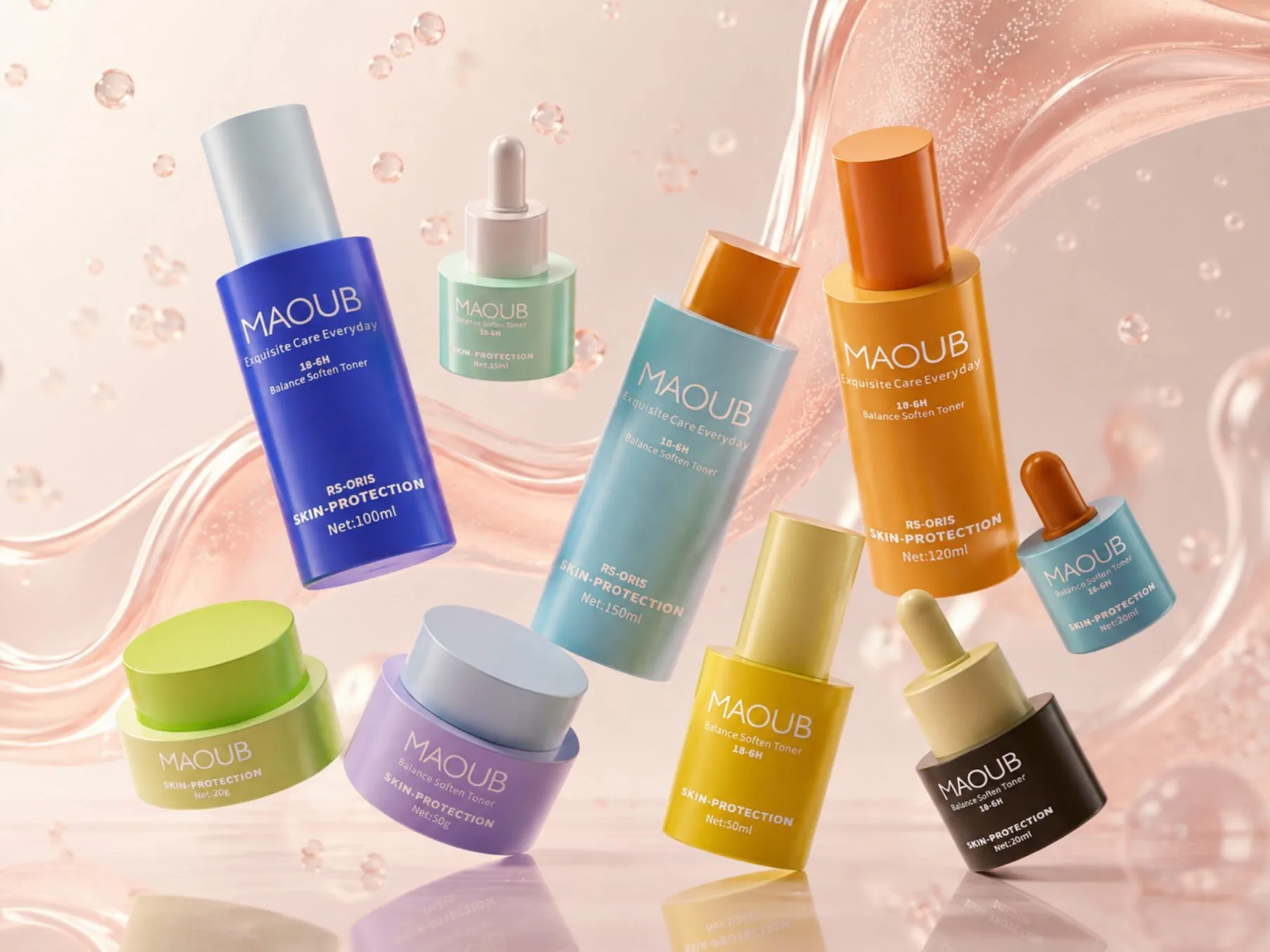
At NAISI
Packaging, we approach cosmetic packaging as a complete system rather
than a collection of individual parts. From the initial bottle selection
through decoration, accessory matching, sampling, and production, our goal is
to help brands build packaging that performs consistently throughout
manufacturing, transportation, and retail distribution.
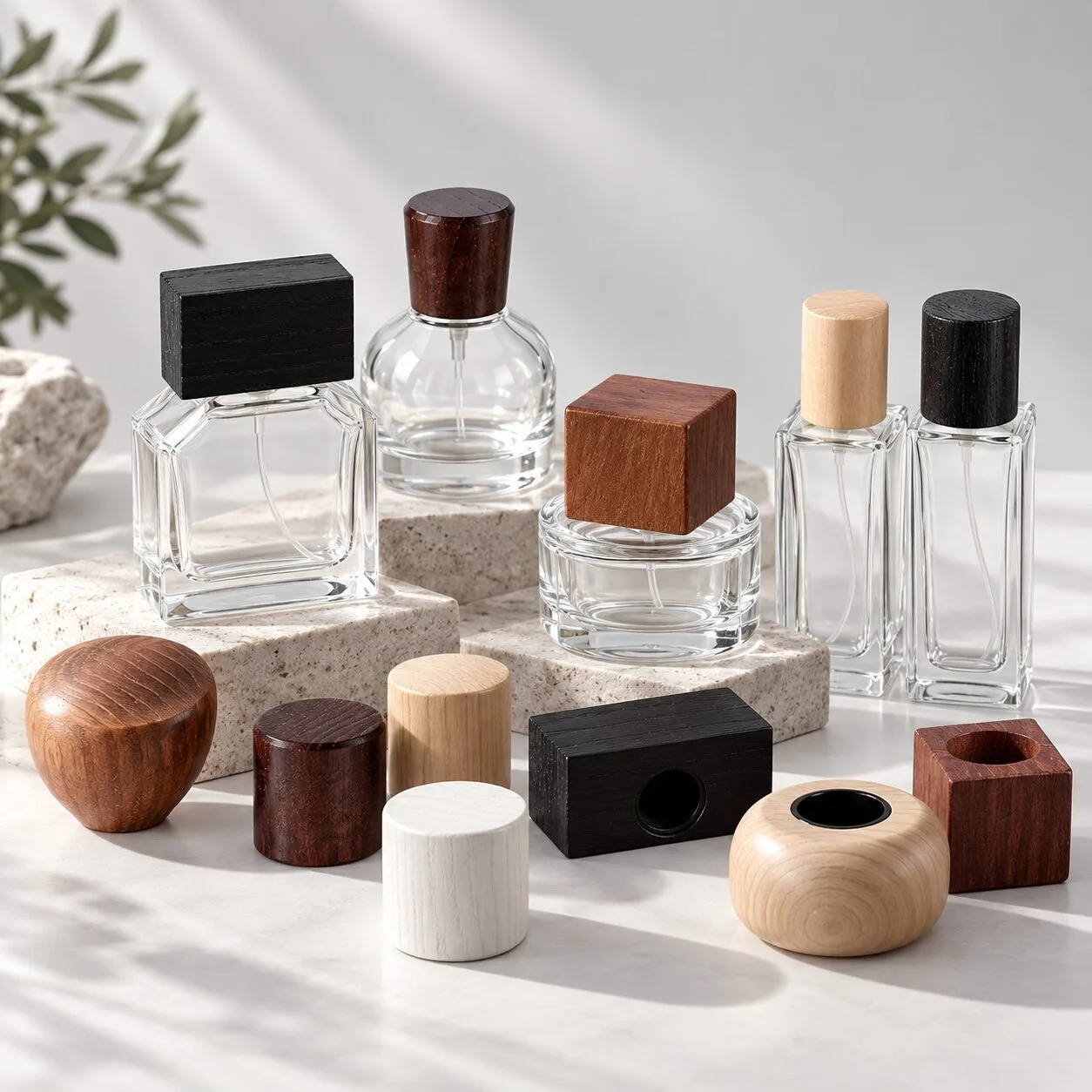
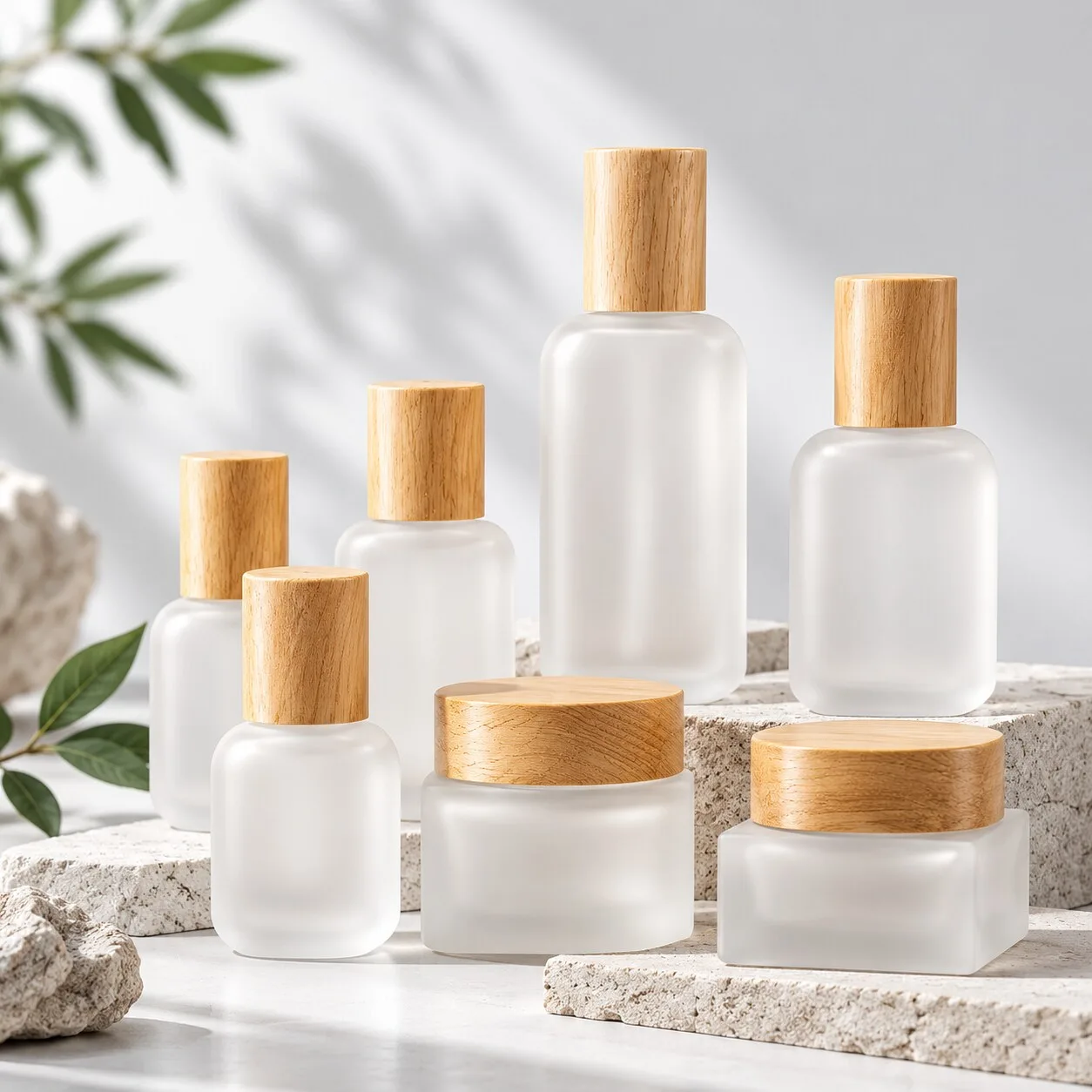
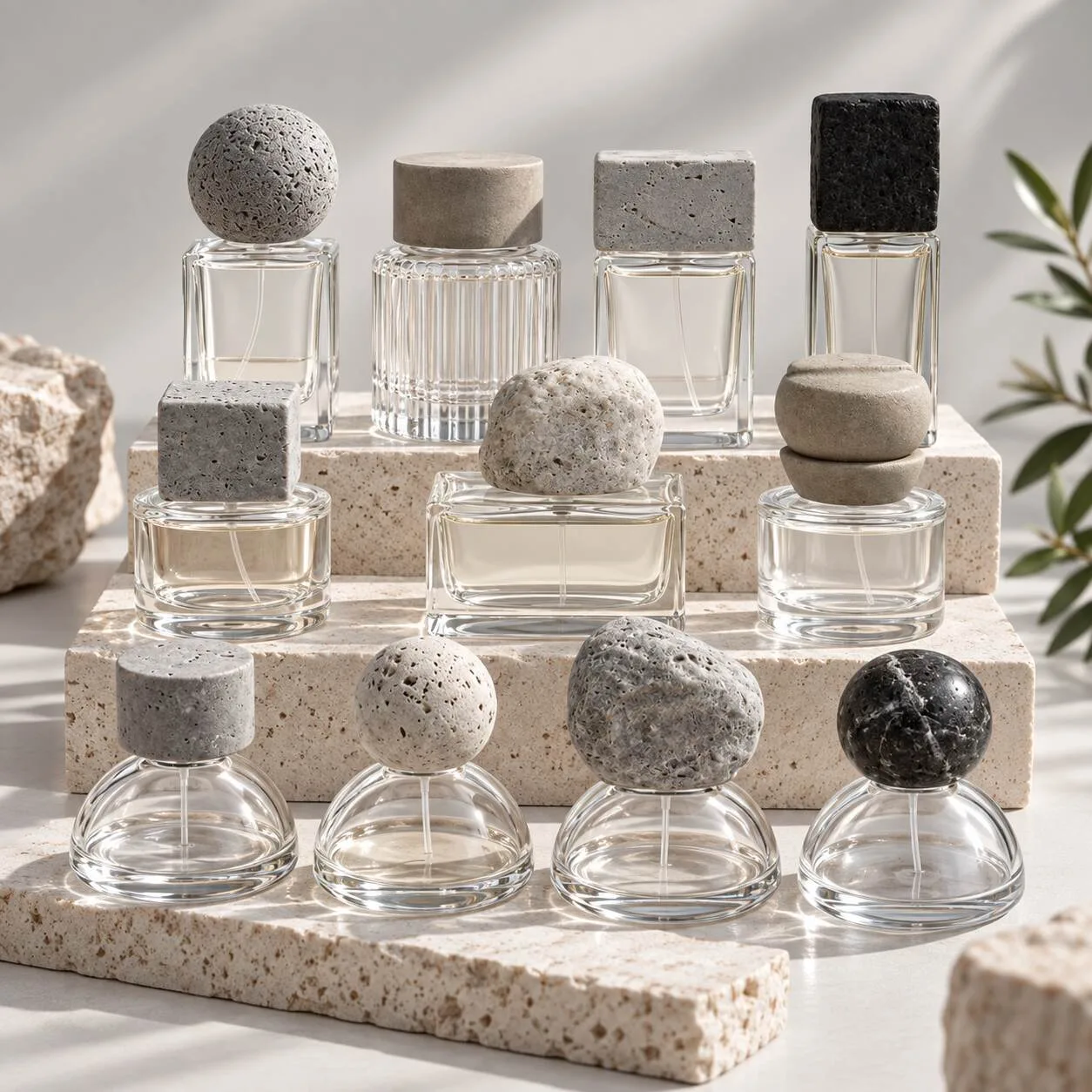
Our product range
includes a wide selection of stock cosmetic glass bottles for
skincare, fragrance, and personal care applications, allowing emerging brands
to launch quickly while maintaining premium aesthetics. For brands seeking
stronger visual differentiation, we also support custom bottle development and
coordinated decoration services.
Our integrated
manufacturing capabilities include:
- High Flint cosmetic glass bottles
- Frosted glass finishes
- Spray coating
- Silk screen printing
- Hot stamping
- Metallized decorative finishes
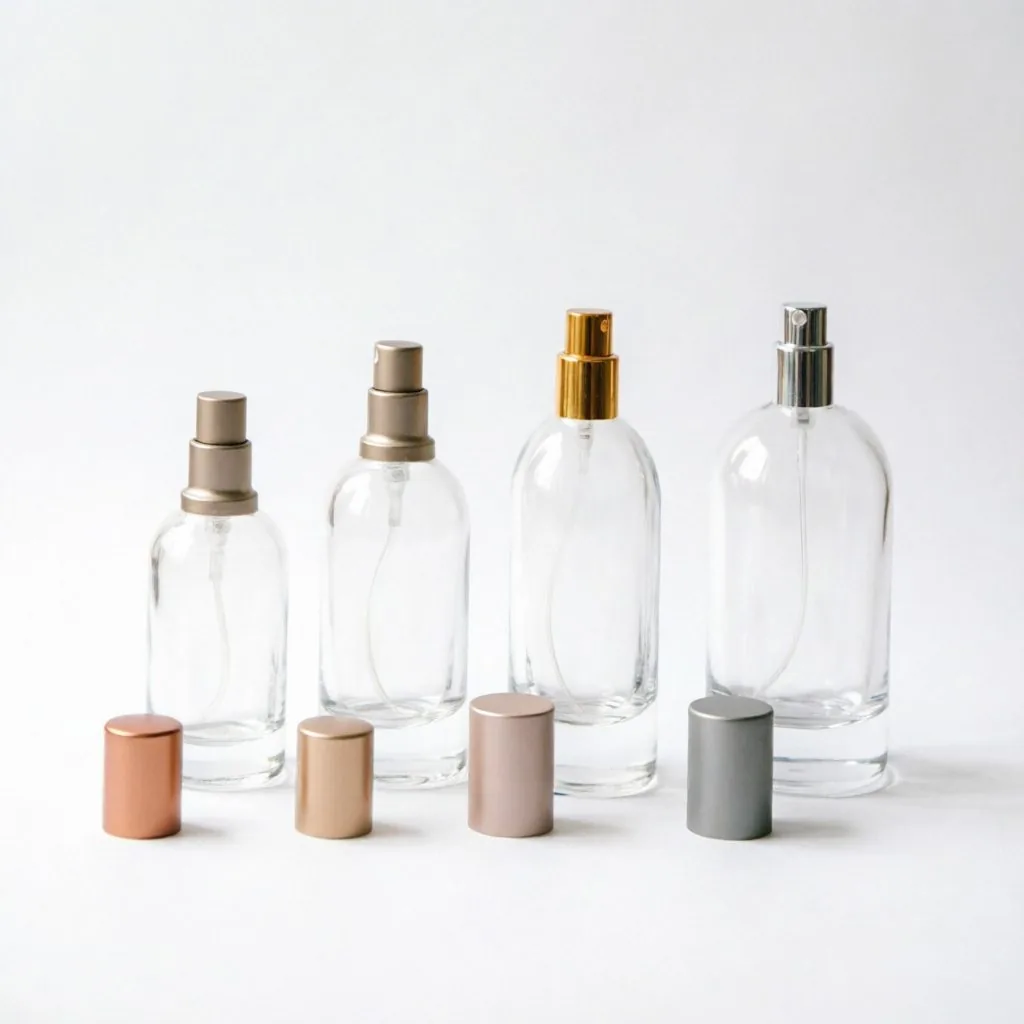
- Bottle, cap, pump, and dropper matching
- One stop cosmetic packaging solutions
Because bottle
production and decoration are coordinated within one manufacturing system,
communication becomes more efficient throughout development. This helps brands
simplify supplier management while improving consistency across production
batches.
For international
customers, we also support project development from sample evaluation through
commercial production, allowing buyers to review bottle appearance, decoration
quality, and component compatibility before placing larger orders.
Our objective is
straightforward.
Help brands launch
packaging that looks premium, functions consistently, and supports long term
brand growth.
A Practical Checklist
Before Approving Cosmetic Glass Packaging
Before confirming your
next packaging project, take a moment to review these practical questions with
your supplier.
✓ Is
the glass bottle compatible with the selected pump, sprayer, or dropper?
✓ Have
bottle and closure been evaluated as one complete packaging system?
✓ Does
the decoration process avoid critical sealing surfaces?
✓ Will
production use the same accessories approved during sampling?
✓ Has
transportation packaging been designed for international shipping conditions?
✓ Can
one supplier coordinate bottles, closures, decoration, and quality inspection?
The more questions
answered before production begins, the smoother the project typically becomes.
Experienced procurement
teams understand that packaging quality is built during development rather than
corrected after delivery.
Final Thoughts
When cosmetic bottles
arrive with leakage, many people immediately suspect the glass bottle.
In reality, successful
packaging depends on the interaction of every component throughout the
packaging system.
Bottle dimensions.
Closure compatibility.
Pump selection.
Assembly quality.
Decoration control.
Export packaging.
Each contributes to how
reliably the finished product performs during transportation and daily consumer
use.
The strongest packaging
projects are rarely the ones with the most complicated designs.
They are the ones
developed through careful engineering, consistent manufacturing, and close
coordination between every packaging component.
For beauty brands
preparing new skincare, serum, fragrance, or wellness collections, investing
time in packaging validation before production often saves significant time and
cost after launch.
Choosing the right
cosmetic glass packaging partner is therefore about much more than purchasing
bottles.
It's about building a
packaging system that protects your product, strengthens your brand image, and
delivers the premium experience customers expect.
Explore More Cosmetic
Glass Packaging Resources
If you're planning a
new skincare or fragrance collection, these guides may also help:
- The Ultimate Guide to Serum Bottle Packaging for Skincare
Brands
- How to Pick a Trusted Cosmetic Glass Bottle Manufacturer for
Your Beauty Brand
- The Complete Guide to Cosmetic Glass Packaging Decoration
- Before Mass Production: Why Cosmetic Packaging Testing Matters
- How Long Does Custom Cosmetic Packaging Take? Complete Lead
Time Guide
- The Complete Cosmetic Packaging Development Process: From Idea
to Shipment
These articles provide
practical insights into packaging selection, supplier evaluation, decoration
processes, testing, and product development for beauty brands.