Türkçe
 English
 日本語
日本語 Deutsch
 한국어
한국어 العربية
 Русский
 Português
 Français
EU PPWR Regulation 2026: Is Your Cosmetic Glass Packaging Compliant?
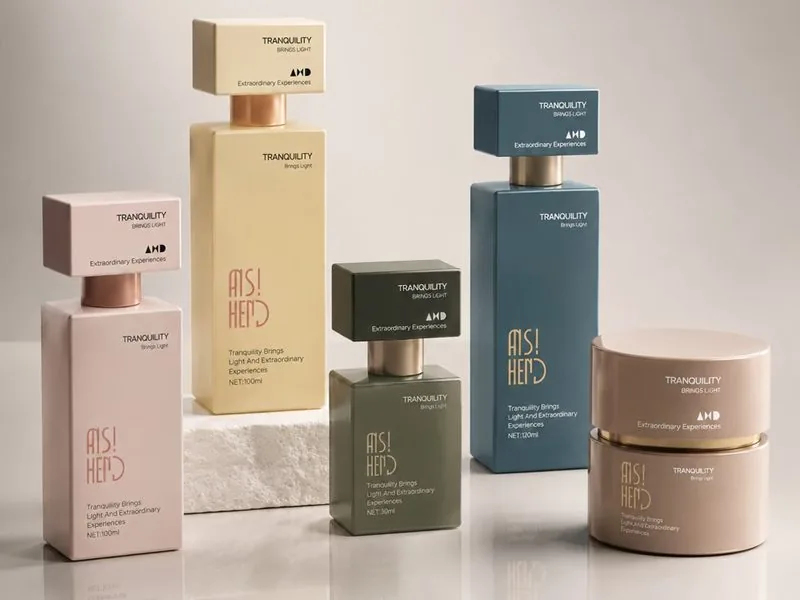
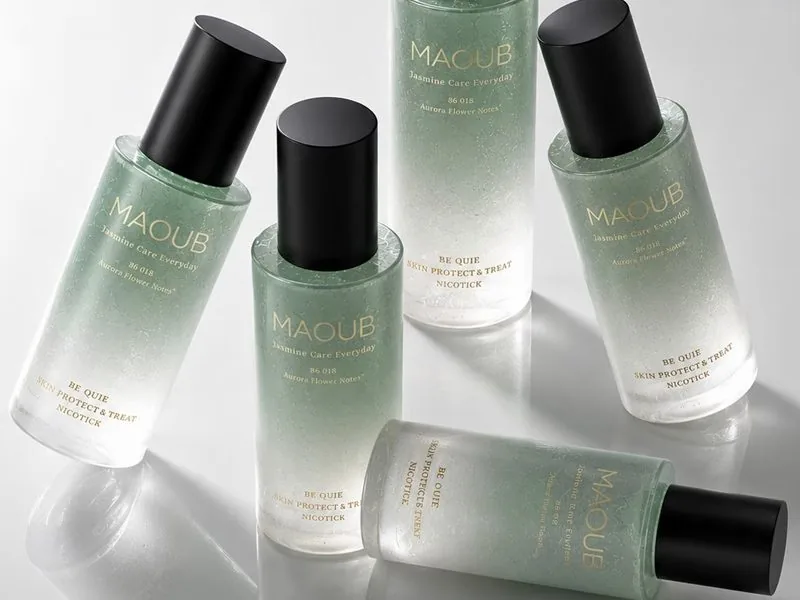
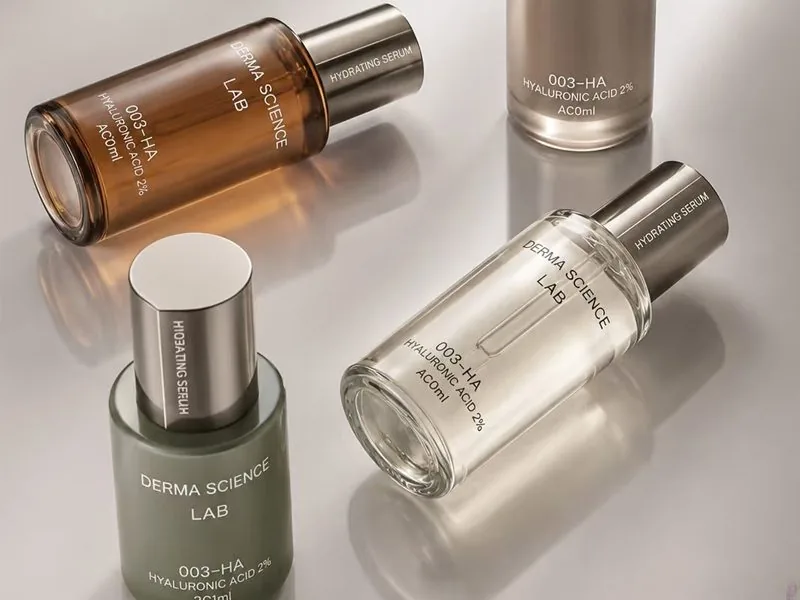
If you sell skincare, perfume, or beauty products into Europe, chances are your buyers, distributors, or packaging suppliers have been asking the same question: Is your cosmetic packaging compliant with the new EU PPWR regulation? You're not alone. On August 12, 2026, the European Union's new Packaging and Packaging Waste Regulation (PPWR, EU 2025/40) will take full effect across all 27 EU member states. Unlike the old Packaging Directive (94/62/EC), which allowed each country to implement its own requirements, PPWR is a directly applicable regulation with a unified compliance standard across the entire EU. For beauty brands exporting to Europe, non-compliant packaging is no longer a minor issue. It can result in customs delays, marketplace delistings, product recalls, regulatory penalties, and lost business opportunities. The good news? Among all packaging materials, cosmetic glass packaging offers one of the lowest compliance barriers and strongest long-term adaptability under PPWR. Most cosmetic glass bottles will not require major redesigns. However, there are several key requirements you must understand to ensure compliance. In this guide, we'll explain PPWR requirements for cosmetic glass packaging in plain language, helping skincare brands, perfume brands, and private Turkish manufacturers reduce compliance risks and maintain smooth access to the European market. Simply put, PPWR is the EU's new mandatory compliance framework for packaging. The old Packaging Directive allowed different implementation approaches across EU countries. The new Packaging and Packaging Waste Regulation establishes a single set of rules and enforcement standards across all member states. Its primary objective is clear: By 2030, all packaging placed on the EU market must be recyclable. This is not a recommendation. It is a legal requirement. Anyone placing packaged products on the EU market, including: All packaging materials: No exemptions apply. Effective Date: August 12, 2026 Two important requirements apply: The combined concentration of: must not exceed: ≤ 100 mg/kg Glass itself generally contains very low levels of regulated heavy metals. The primary compliance risks typically come from: These components should be carefully reviewed and tested. This is the core requirement of PPWR and one of the strongest advantages of glass packaging. August 12, 2026 All packaging must be recyclable by design. January 1, 2030 All packaging must achieve Recyclability Grade C or above (≥70%). January 1, 2038 Only Grade A (≥95%) and Grade B (≥80%) packaging will remain eligible for the EU market. Grade Recyclability Rate (By Weight) Allowed After 2030 Allowed After 2038 A ≥95% Yes Yes B ≥80% Yes Yes C ≥70% Yes No Non-Recyclable <70% No No Glass is infinitely recyclable without loss of quality. Unlike plastic packaging, glass currently has no mandatory recycled-content targets under PPWR. The main consideration is ensuring that coatings, Turkishs, and decorative finishes do not negatively impact glass recycling systems. Effective Date: January 1, 2030 PPWR requires packaging weight and volume to be limited to the minimum necessary for product protection, transportation, and presentation. Examples of potential non-compliance include: Packaging designs protected by registered industrial design rights or trademarks before February 11, 2025, may qualify for exemption. Finishes such as frosting, spray coating, and minimalist hot stamping can create a luxury appearance without increasing packaging volume. Beginning August 12, 2026, companies should maintain the following documentation: Document Requirement Declaration of Conformity (DoC) One declaration per packaging type following PPWR Annex VII Technical Documentation File Design specifications, material composition, compliance assessments, and test reports Heavy Metal Test Report Third-party verification showing Pb+Cd+Hg+Cr⁶⁺ ≤100 mg/kg EPR Registration Registration in every EU country where products are sold If authorities conduct an inspection, documentation may need to be provided within 10 working days. Verify heavy metal compliance for: Focus on coatings and inks, not only the glass substrate. Request: Implement a traceability system for every SKU sold into the EU market. Determine whether your cosmetic packaging achieves Grade A, B, or C recyclability. Confirm that coatings and decorative treatments do not interfere with recycling processes. We work with qualified suppliers and prioritize low-heavy-metal, PFAS-free coatings, inks, and decorative materials. As a cosmetic glass packaging manufacturer, we optimize decoration processes to support long-term recyclability and future PPWR requirements. Our engineering team helps brands reduce bottle weight while maintaining structural strength, premium appearance, and consumer experience. From glass bottle manufacturing to spray coating, screen printing, frosting, and hot stamping, all processes are managed through a single supplier with full traceability. PPWR is no longer a future trend. It is becoming the new regulatory foundation for cosmetic packaging, skincare packaging, perfume packaging, and beauty packaging entering the European market. The good news is that cosmetic glass bottles offer significant advantages under PPWR thanks to their recyclability, chemical stability, and long-term sustainability. The challenge is ensuring that every component—from the glass bottle itself to coatings, inks, and decorative finishes—meets compliance requirements. If you're planning to export beauty products to Europe and want to verify that your cosmetic glass packaging is PPWR-ready, our team is happy to help. NAISI Packaging — Making EU PPWR Compliance Simple for Beauty Brands. 🎨 One-on-One Packaging Consultation 👉 Visit: www.naisi-packaging.com 📞 +86 18922753052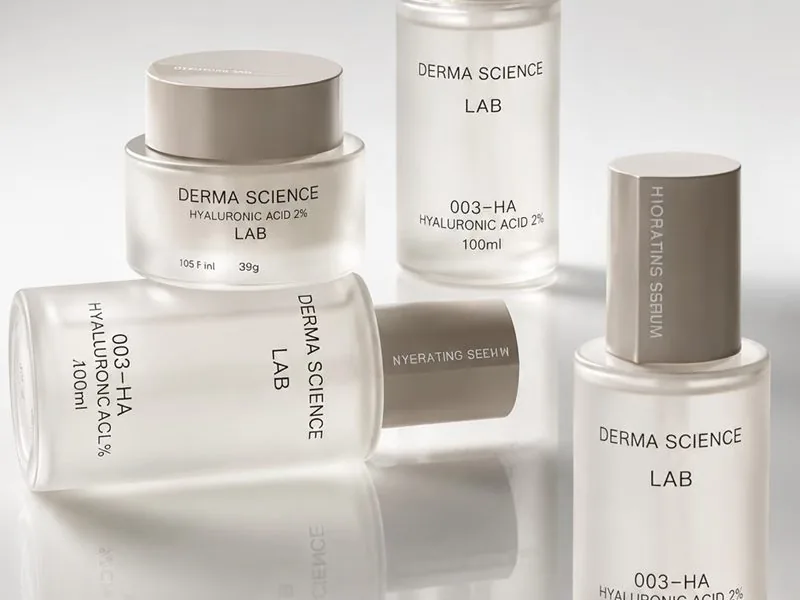
What Is PPWR, and Why Does It Matter?
Who Must Comply?
What Packaging Is Covered?
Key PPWR Requirements for Cosmetic Glass Bottles
1. Hazardous Substance Limits: Heavy Metals & PFAS
Heavy Metal Limits
PFAS Limits (Food-Contact Packaging Only)
What This Means for Cosmetic Packaging
2. Recyclability Requirements: Glass's Natural Advantage
Timeline
Recyclability Grades
Why Cosmetic Glass Packaging Has an Advantage
3. Packaging Minimization: Avoid Overpackaging
Important Exemption
Recommended Strategy for Glass Bottle Manufacturers
What Compliance Documents Should You Prepare?
Record Retention Period
Actions You Should Take Now
1. Test Existing Cosmetic Glass Bottles and Decorations
2. Organize Compliance Documentation
3. Evaluate Recyclability Performance
How NAISI Packaging Supports Your PPWR Compliance
✅ PPWR-Compliant Material Selection
✅ Recyclability-Oriented Packaging Design
✅ Lightweighting Expertise
✅ One-Stop Cosmetic Packaging Solutions
Final Thoughts: PPWR Is the New Standard for Cosmetic Packaging
Related Products