Русский
 English
 日本語
日本語 Deutsch
 한국어
한국어 العربية
 Türkçe
 Português
 Français
Glass vs. Plastic Cream Jars: Which Is Better for Skincare Packaging?
Choosing skincare packaging is not only about appearance. It directly affects product positioning, user experience, sustainability, transportation costs, formula stability, and shelf life.
Serums, creams, and other skincare products are commonly packaged in either glass or plastic containers. However, the choice between these two materials is never random. It is a strategic decision based on product positioning, formulation requirements, brand image, and market value.
For beauty brands exploring glass vs plastic cream jars, understanding the strengths of each material is essential for selecting the right cosmetic packaging solution.
1. Glass Cream Jars: Premium Appearance & Superior Formula Protection
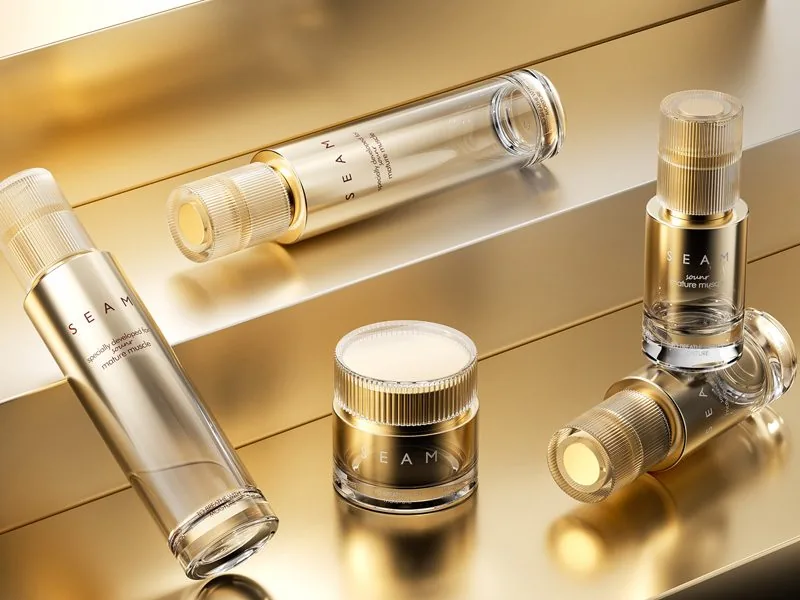
Glass has long been associated with luxury skincare packaging and remains the preferred choice for premium beauty brands. Its crystal-clear appearance and substantial weight naturally convey sophistication and high-end quality.
As one of the biggest benefits of glass cream jars, glass offers excellent chemical stability. Glass does not easily react with skincare ingredients, making it especially suitable for formulations containing high concentrations of active ingredients. Precious ingredients such as Vitamin C, retinol, botanical extracts, and essential oils benefit greatly from glass packaging because it helps preserve purity, potency, and product integrity.
In contrast, incompatible plastic materials may interact with formulations through oil absorption, fragrance migration, additive transfer, or excessive oxygen permeability. These interactions can negatively impact formula stability and even shorten product shelf life.
Glass offers significantly higher chemical inertness and superior barrier performance, effectively protecting formulas from oxygen, moisture, and contamination. Amber glass bottles additionally provide excellent UV protection, making them ideal for light-sensitive products and natural extracts.
Another important advantage is sustainability. Glass can be recycled repeatedly without quality degradation, making it one of the most environmentally friendly materials used in sustainable cosmetic packaging today.
As global consumers become increasingly environmentally conscious, demand for luxury glass jars and glass cosmetic packaging continues to grow rapidly. According to Fortune Business Insights, the global glass cosmetic packaging market is projected to reach USD 8.12 billion in 2025 and grow to USD 10.78 billion by 2034, with a CAGR of 3.31%. Social media and sustainability-driven consumer behavior are major forces accelerating this growth.
For brands asking, “Are glass cream jars more sustainable?”
the answer is increasingly yes — especially for refillable and recyclable beauty packaging systems.
2. Plastic Cream Jars: Practical & Cost-Effective
If glass packaging represents premium luxury, plastic packaging represents practicality and efficiency.
Plastic has long played an essential role in the mass-market skincare industry and remains irreplaceable in 2026, especially for cost-sensitive product lines.
Among the key advantages of plastic cream jars are lightweight construction and impact resistance. Glass has a density of approximately 2.5 g/cm³, while most plastics range between 0.9–1.2 g/cm³. This means plastic packaging can weigh less than half as much as glass containers of the same size.
The lighter weight significantly reduces transportation costs and breakage risks during shipping, which is especially important in today’s e-commerce-driven beauty market. Lower logistics costs and reduced product damage represent real commercial advantages for brands.
Plastic also offers excellent design flexibility. It allows brands to create unique shapes and customized packaging styles with relatively low mold costs and lower minimum order quantities. This makes plastic ideal for startup brands, travel-size products, promotional packaging, and fast-moving product launches.
When considering a glass vs plastic packaging cost comparison, plastic packaging typically offers lower production and shipping costs, especially for high-volume distribution.
However, plastic also has limitations. Most plastics cannot be recycled indefinitely, and material quality often declines after one or two recycling cycles. As global environmental regulations become stricter and consumers demand sustainable solutions, plastic packaging faces increasing sustainability challenges compared with glass.
3. How to Choose the Right Material: Based on Product Positioning, Formula & Sales Channels
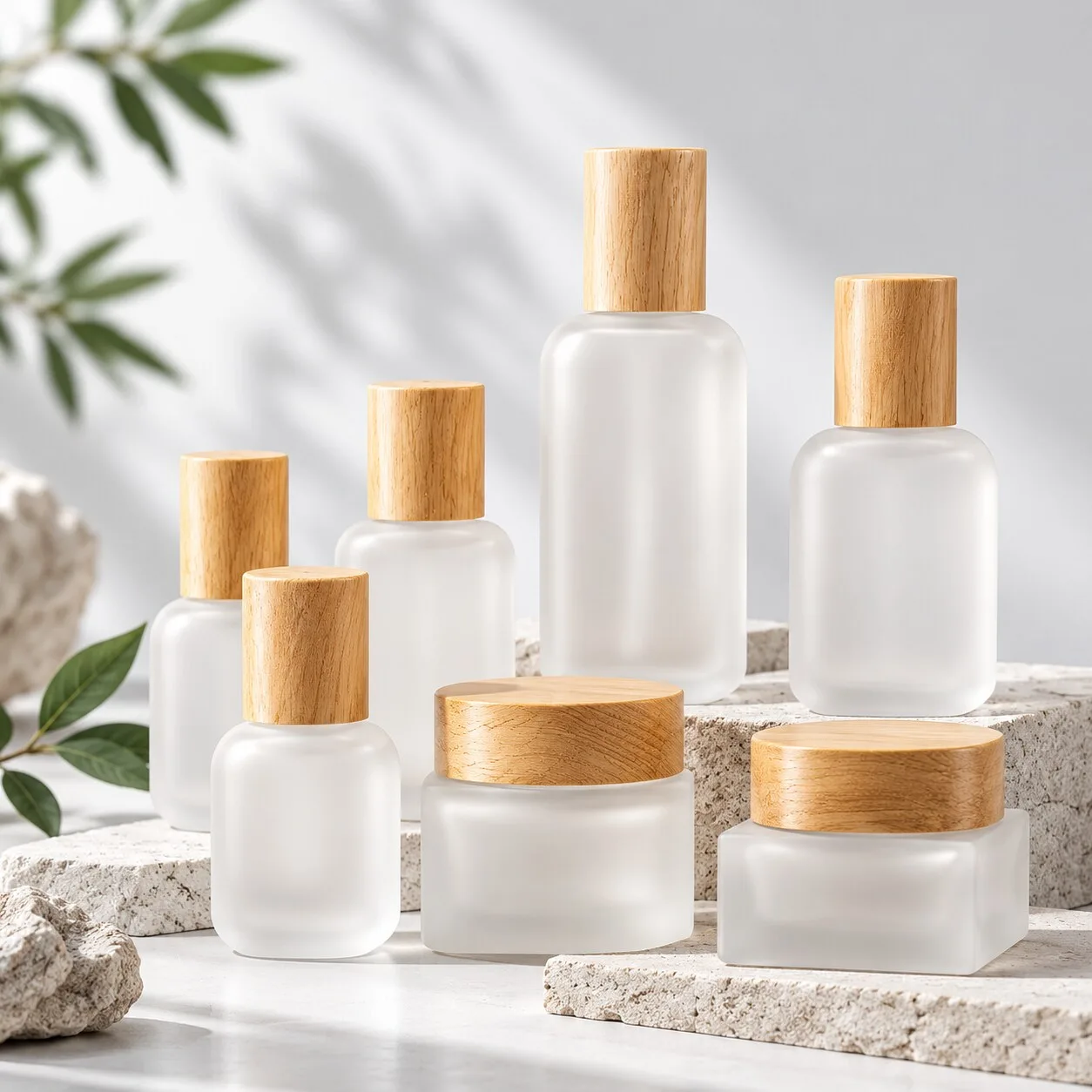
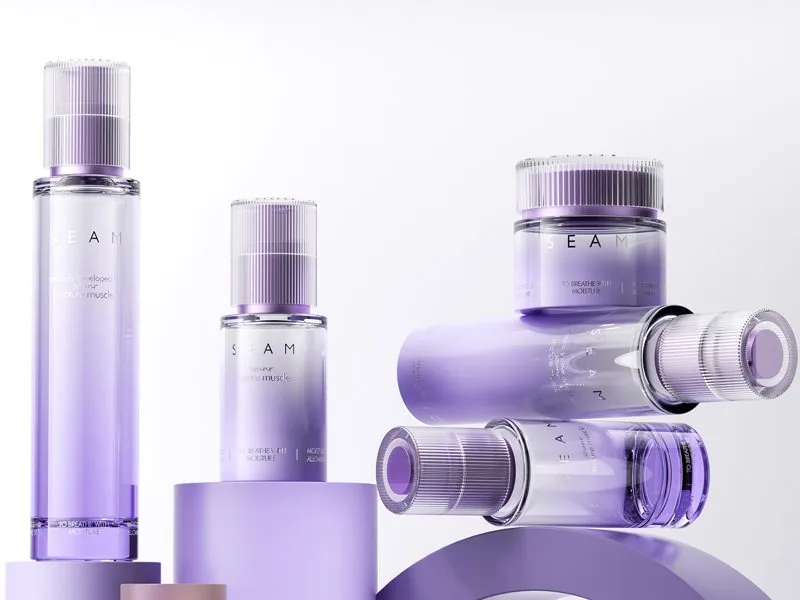
For premium skincare and luxury anti-aging product lines, glass packaging is usually the preferred option. Frosted glass, colored glass, and customized glass packaging not only enhance product value perception but also strengthen brand identity and shelf appeal.
For brands asking, “Which packaging material is better for luxury skincare brands?” glass remains the leading choice because it enhances both visual value and consumer experience.
High-activity formulations sensitive to light, oxygen, or chemical instability — such as Vitamin C, retinol, essential oils, and natural extracts — are best protected in glass packaging because of its excellent barrier properties and chemical stability.
As a result, glass is widely considered the best packaging choice for premium skincare products, especially for science-driven and high-performance skincare brands.
On the other hand, mass-market daily skincare products and travel-size products often benefit more from plastic packaging. Its lightweight, durable, and cost-efficient characteristics make it highly suitable for e-commerce distribution and high-volume retail sales.
For these products, packaging costs must remain commercially practical, and plastic packaging provides an effective balance between functionality and affordability.
Before finalizing any packaging material, compatibility testing between packaging and formulation is essential. Certain essential oils, organic solvents, or fragrances may react with specific plastic materials such as PET, PP, or PS, potentially causing cracking, discoloration, deformation, or reduced formula performance.
Even when using glass packaging, sealing performance and closure compatibility should still be carefully tested to avoid leakage or product contamination during transportation and storage.
Early-stage compatibility testing can significantly reduce packaging risks and prevent costly production losses later.
4. New Industry Trend: Glass & Plastic Are No Longer Opposites
One of the most important packaging trends today is that glass and plastic no longer need to compete against each other.
Instead of choosing one material exclusively, more brands are strategically combining both materials to achieve better commercial and sustainability results.
A common approach is:
· Premium product lines use glass packaging to reinforce luxury positioning.
· Mid-range or mass-market lines use plastic packaging to optimize costs and practicality.
Refillable cream jars are also becoming increasingly popular. In this model, brands use durable luxury glass outer containers combined with replaceable lightweight inner pods or refill cartridges. Consumers only replace the inner container after use while keeping the premium outer packaging.
This approach reduces waste, lowers long-term costs, and creates a more sustainable packaging experience for both brands and consumers.
Mature beauty brands no longer focus on whether glass or plastic is “better.” Instead, they evaluate each product individually based on positioning, lifecycle, pricing strategy, formula requirements, and sustainability goals.
For skincare brands, the most important question is not “Which material is superior?” but rather:
“What does my product truly need?”
Once the product’s core positioning and packaging priorities become clear, material selection becomes much easier.
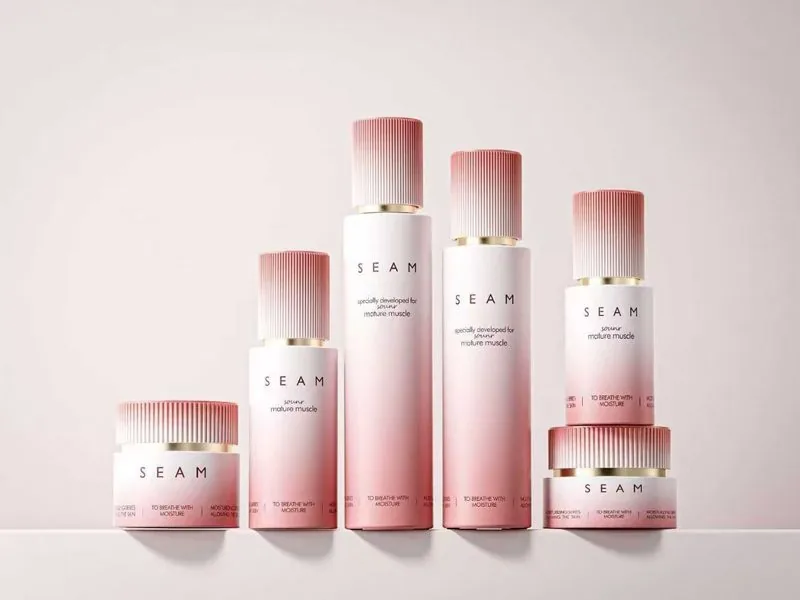
Conclusion: There Is No “Best” Material — Only the Most Suitable Choice
Glass and plastic cream jars are not competitors replacing one another. Each material serves a unique purpose within the skincare packaging industry.
Glass protects high-end, active, and premium-positioned products while elevating brand perception and sustainability value.
Plastic provides practical, lightweight, and cost-efficient solutions for daily-use, mass-market, and travel-friendly skincare products.
The most successful packaging strategies are not driven by trends alone. Instead, they begin with understanding the product itself:
· What does the formula require?
· What consumer experience should the packaging deliver?
· Is the brand positioned as luxury or mass market?
· What sustainability commitment does the brand want to communicate?
Today, more brands are adopting hybrid packaging strategies — using glass for premium lines, plastic for refill systems or cost-sensitive products, and combining both materials to balance luxury, practicality, and sustainability.
As a professional cosmetic jar manufacturer, NAISI Packaging helps beauty brands develop high-quality skincare packaging and cosmetic packaging solutions tailored to different product positioning and market needs.
Ultimately, packaging is an extension of the product itself.
When brands clearly understand the value and identity of their products, choosing the right packaging material becomes a much more confident and strategic decision.