
New Trends in the Cosmetic Glass Packaging Industry in 2026
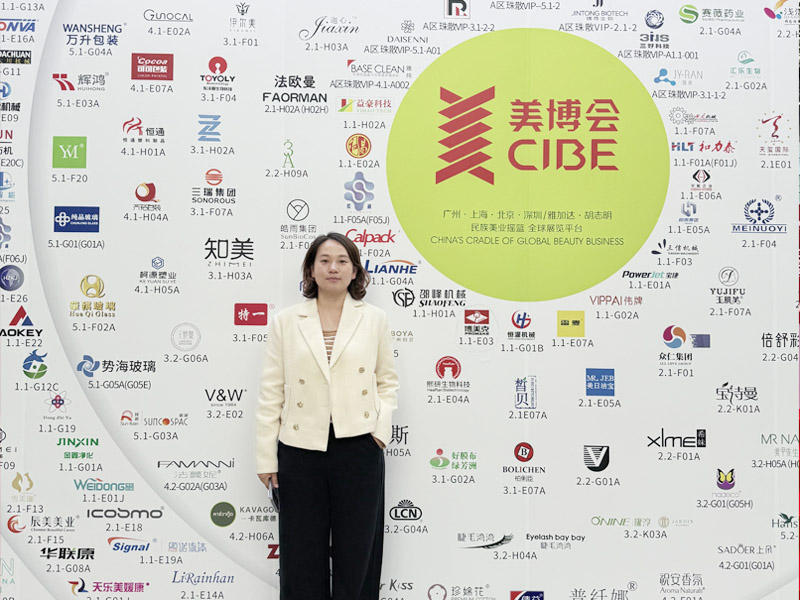
As someone who has worked in the cosmetic glass packaging industry for twenty years, the Guangzhou Beauty Expo is always a must-attend "weathervane" for me. This year, from March 10th to 12th, the 69th Guangzhou Beauty Expo was held as scheduled in Pazhou. The 300,000 square meter exhibition hall attracted nearly 4,000 exhibitors and over 460,000 visitors, far exceeding expectations. But what caught my attention even more was not the surface excitement, but the profound changes in the industry reflected after the expo.
These changes present both challenges and opportunities for those of us who produce custom cosmetic glass bottles.
Flexible Manufacturing: From "Large-Order Dedicated Supply" to "Small-Order Rapid Response"
A very significant change at this year's Beauty Expo was the unprecedented increase in the importance placed on small-batch, personalized customization by the supply chain.
The exhibition's specially designated "Packaging for Success" zone is a platform tailored for small and medium-sized packaging material enterprises, offering "high cost-effectiveness and high exposure." The existence of this zone itself sends a signal: brands' requirements for packaging are undergoing a fundamental shift—no longer "I'll buy whatever you give me," but rather "Can you make what I need?"
Why is this happening? Because the downstream brand landscape has changed. Emerging domestic brands and niche fragrance brands are springing up like mushrooms after rain. They don't need generic molded bottles with minimum orders of hundreds of thousands; they need customized packaging that reflects their brand's uniqueness. However, traditional mold-making is costly and time-consuming, deterring smaller brands.
This has created a demand for "flexible manufacturing"—lower minimum order quantities, faster response times, and more flexible cooperation methods.
For a cosmetic glass bottle manufacturer like NAISI, this means an upgrade in service capabilities. It's no longer just about taking orders and producing; it's about having the ability to respond quickly, from design suggestions and mold development to small-batch trial production. This one-stop service model is becoming a consensus among industry leaders.
Green Compliance: From "Additional Advantage" to "Entry Ticket"
If flexible manufacturing is the "internal strength" of the domestic market, then green compliance is the "threshold" of the international market.
This year's Beauty Expo specifically set up a green supply chain zone, focusing on topics such as biodegradable packaging materials and plant-based raw materials. Behind this is the strong driving force of international regulations.
Just this February at Paris Packaging Week, global glass packaging giant SGD Pharma showcased new bottles made from 20% and 30% post-consumer recycled (PCR) glass. Moreover, its Zhanjiang factory obtained China's first ISO 14021 certification last year, proving that its PCR glass content is authoritatively certified.
Why are they so proactive? Because the EU's Packaging and Packaging Waste Regulation (PPWR), which came into effect this year, clearly states that by 2030, all packaging placed on the EU market must be recyclable. While glass is inherently a recyclable and environmentally friendly material, its recyclability is becoming a new competitive focus. Recycling one ton of glass can save approximately 1.2 tons of raw materials and reduce carbon emissions by about 300 kilograms.
For suppliers like us targeting overseas markets, this means that offering PCR glass options, providing compliance certifications, and clearly articulating an environmental story are transforming from "additional advantages" into "entry tickets."
Craftsmanship Value: From "Container" to "Brand Equity"
The third noteworthy change is the increasingly demanding requirements of brands regarding surface finishes.
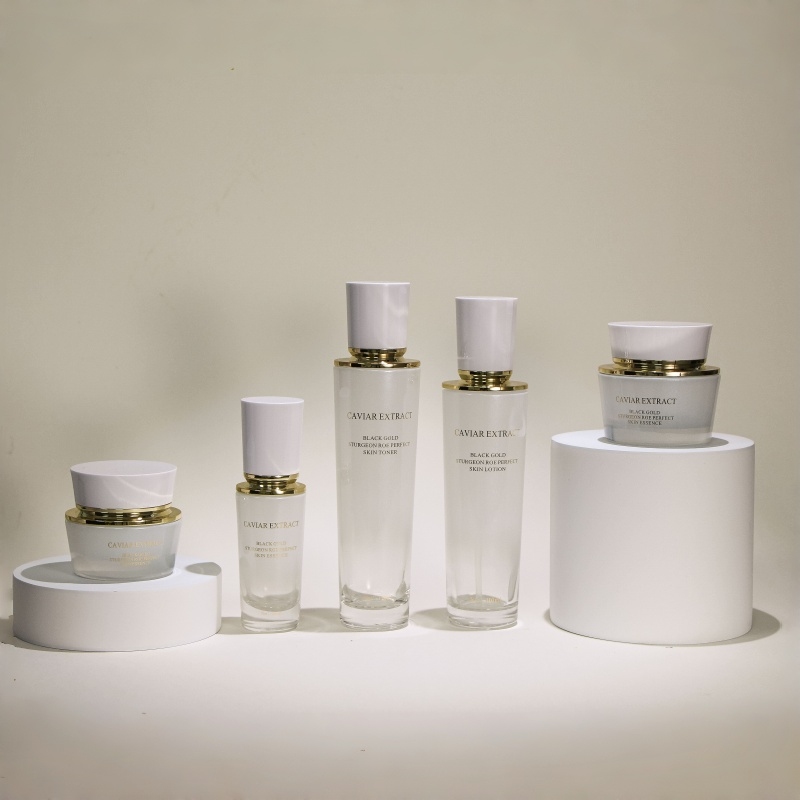
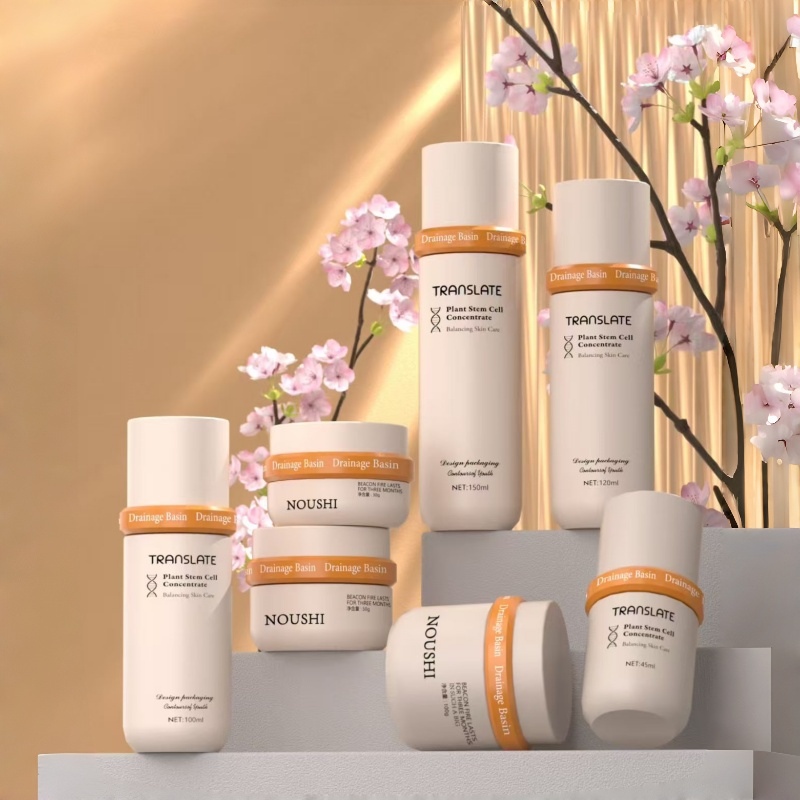
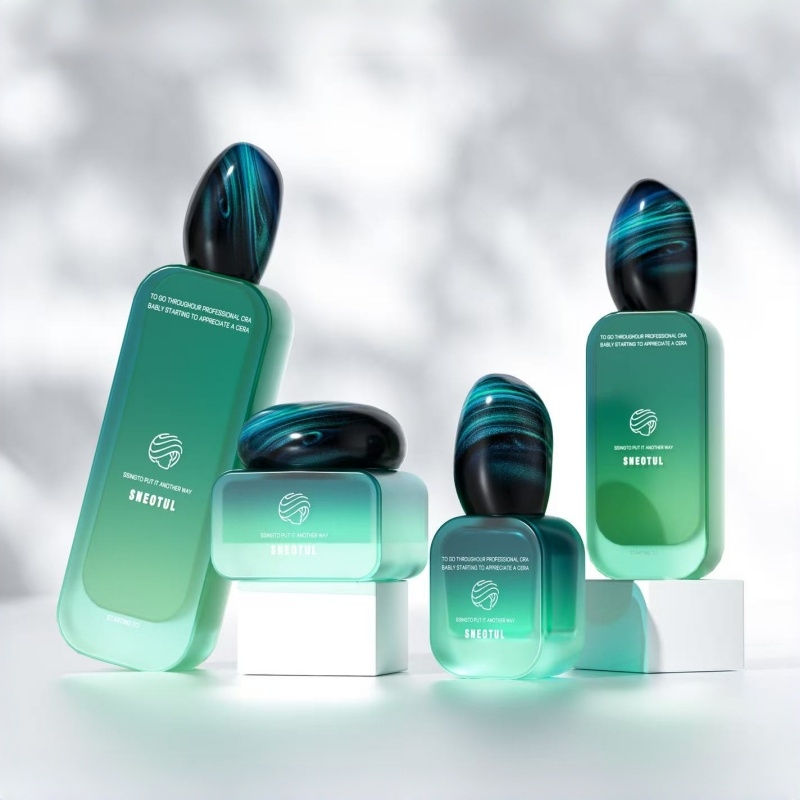
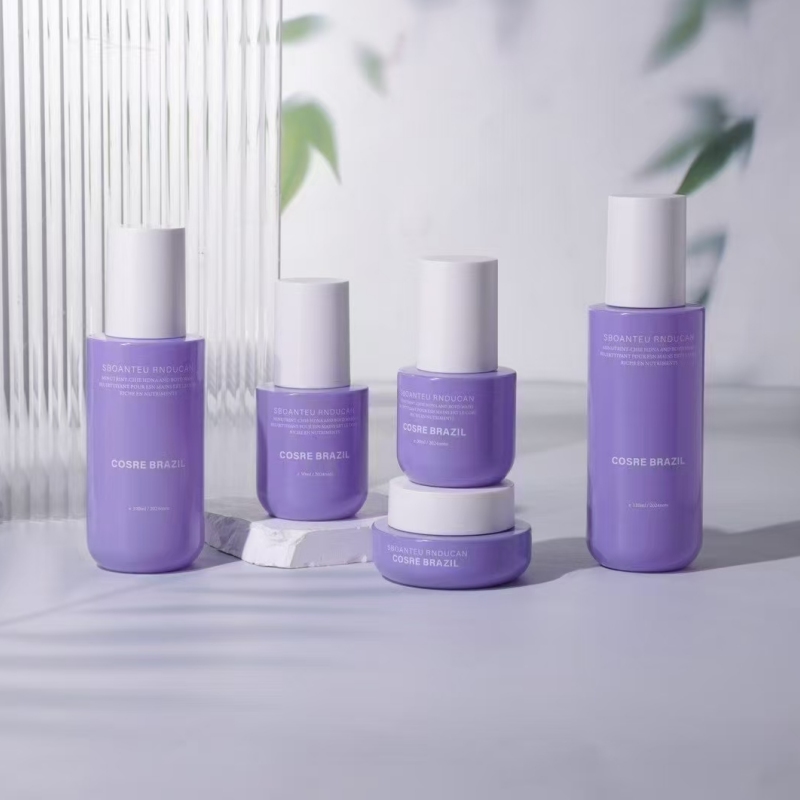
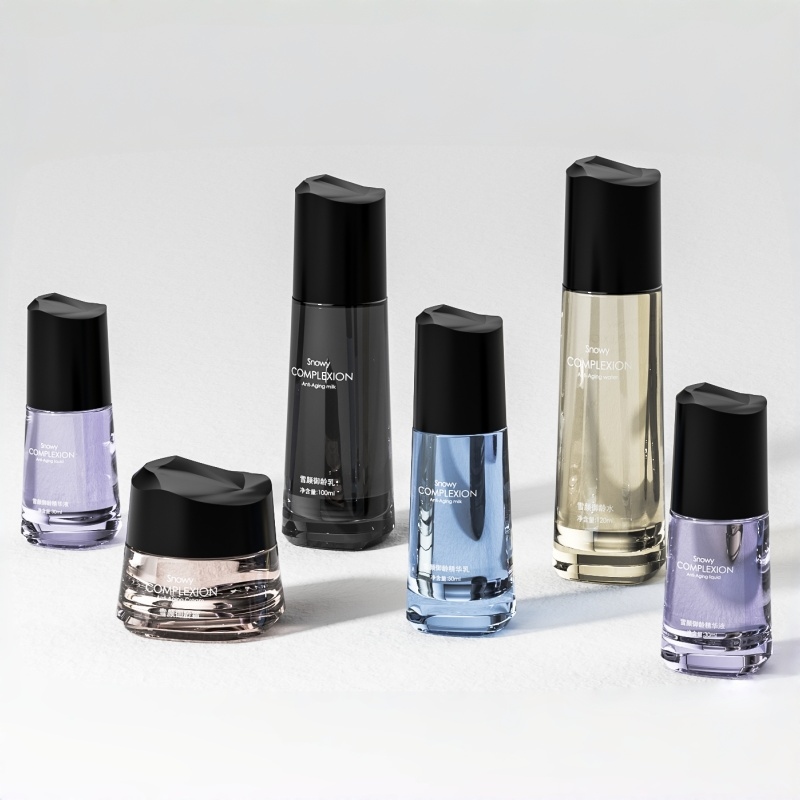
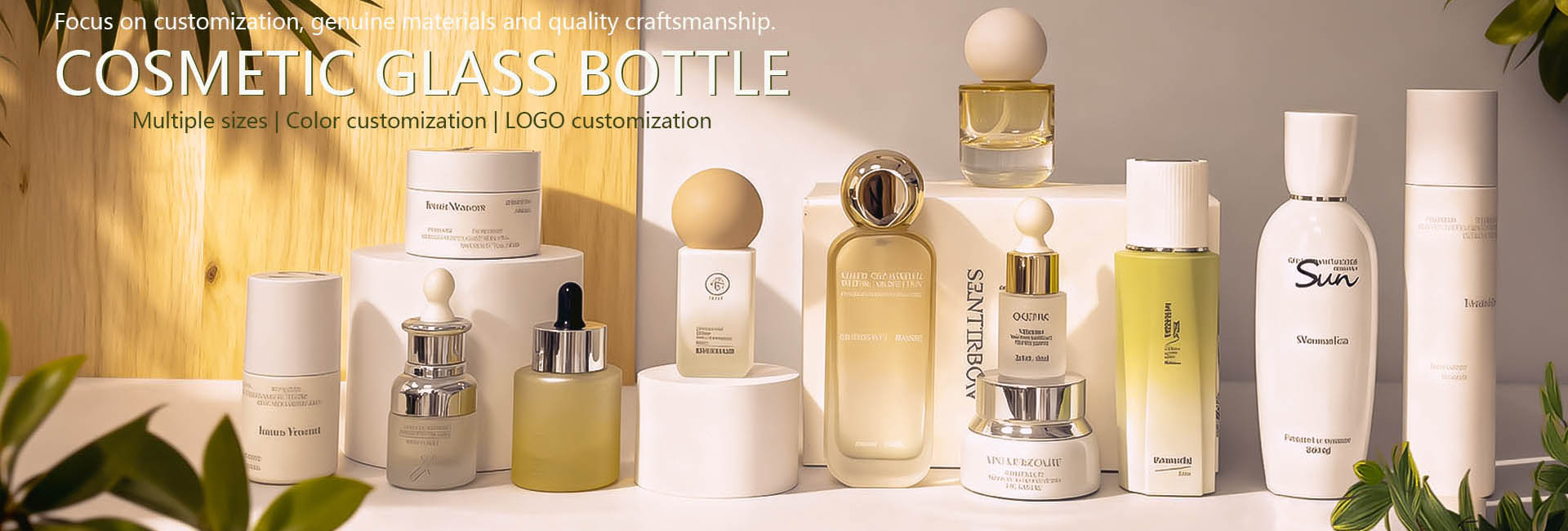
At the Beauty Expo, I specifically visited the packaging materials hall, and one immediate impression was that ordinary transparent glass bottles are increasingly failing to attract attention. The booths crowded with buyers showcased bottles with complex processes such as spraying, hot stamping, electroplating, and frosting.
This confirms a long-held observation: glass bottles are evolving from "containers" into "brand equity."
Consider international success stories: Oribe's Power Drops, through a gradient paint finish and gold foil stamping, transforms a sharply defined bottle into an "architectural" work of art; Shu Uemura creates a professional and elegant texture with its frosted coating. These are not merely simple bottles, but carriers of brand stories.
This is especially true in the Middle Eastern market. As I've analyzed before, Middle Eastern perfume brands have extremely high demands for luxurious packaging, favoring elements such as geometric etching, metal caps, and gold-plated decorations. Glass perfume bottles with intricate decoration can command a premium far exceeding that of ordinary bottles there.
This is precisely where NAISI's strength lies. Our consistently emphasized "one-stop service for production + glass surface packaging technology" perfectly aligns with this trend. From spraying and screen printing to gold foil stamping, these processes are not simply "adding color," but are key to imbuing the bottle with emotional value and brand recognition.
One-stop service: Why is this the ultimate answer?
Connecting the three trends above leads to the conclusion: brands are looking for "general contractors," not "parts suppliers."
Why? Supply chain management is incredibly complex. Finding glass factories, coating plants, cap manufacturers, and pump head suppliers leads to high communication costs, difficulty in quality control, and finger-pointing when problems arise. At a trade show, I met a Middle Eastern client who bluntly stated, "We don't want to manage ten suppliers. We want one partner who manages them for us." This is precisely the value of one-stop service.
International leading companies like Virospack have achieved complete in-house processing, from glass forming and component injection molding to surface finishing and final assembly, ensuring consistent quality control throughout. Domestic companies like Guangdong Huaxing Glass also provide a one-stop service from bottle to cap, screen printing, and coating.
For NAISI, our positioning is very clear: we don't sell glass, but rather provide complete packaging solutions. A client brings an idea, and we return a finished bottle—handling everything from bottle design, mold development, and glass production to coating, screen printing, and component matching.
In twenty years of industry experience, I've witnessed too many competitors rise and fall solely through price wars. The market environment of 2026 tells us that competing solely on price is a dead end; competing on system service capabilities, craftsmanship value, and compliance is the long-term solution.
NAISI Packaging positions itself as a partner that provides clients with peace of mind and confidence. From meticulous craftsmanship of each bottle to comprehensive one-stop service control, we believe that good packaging deserves to be treated with care.
If you are looking for a reliable custom cosmetic glass bottles manufacturer, or have questions about your packaging needs in the Middle East, Europe, and America, please feel free to contact us. With 15+ years of experience, we are dedicated to safeguarding your brand.
(This article is based on on-site observations at the Guangzhou Beauty Expo in March 2026 and the latest industry trends.)